Introduction:
For anyone who has just landed here, welcome. My adult life has been deeply rooted in holistic health practices and a commitment to my own inner healing. I believe there’s something profoundly human about sharing the rawness of personal growth, so I feel comfortable opening up about my journey. Like many, my mental and physical health ebbs and flows. Just when I find balance, life has a way of throwing curveballs that unearth unresolved issues.
Instead of continuing to plaster over the cracks, I’ve decided to dedicate an entire year to confronting my past traumas and laying a solid foundation for lasting happiness. I understand that achieving a balanced mind, body, and soul is a lifelong journey rather than a fixed destination. Recently, I found myself revisiting old wounds and falling back into familiar coping mechanisms. But I’m no longer willing to live in the shadow of sadness, insecurity, and anxiety. It’s time for a deeper kind of healing, and that’s the path I’m committed to walking.
Breathing Therapy:
Having trained as a Registered General Nurse over thirty years ago and later as a Holistic Therapist, I’ve learned that while conventional medicine is vital, it’s only part of the picture. Antidepressants helped calm my anxious mind, but true healing required exploring the root causes beneath the symptoms, which led me into holistic practices, Breathwork is one of them.
This week I’ve embraced Breathwork again, this time the Wim Hof Method, introduced to me by a friend and taught beautifully by the incredible Dave, who has a real passion for this work.
What Is the Wim Hof Method?
The Wim Hof Method combines controlled breathing exercises, cold exposure, and a commitment to mental focus. Among these, the breathwork component has garnered significant attention for its profound impact on the body and mind.
(I best point out here I am not doing the cold exposure! That one is not for me, give me a snuggly warm bath any day!)
The breathing technique typically involves three phases:
- Controlled Hyperventilation: Participants take 30–40 deep breaths, inhaling deeply through the nose or mouth and exhaling partially, creating a cycle of oxygenating the body.
- Retention Phase: After the last breath, the participant exhales completely and holds their breath for as long as possible.
- Recovery Breath: A deep inhale is taken, held for 15 seconds, and then released, marking the end of one round.
This cycle is repeated for several rounds, often accompanied by meditation or relaxation practices.
The Science Behind Wim Hof Breathwork
The technique triggers specific physiological responses that set it apart from regular breathing. Key mechanisms include:
Alkalizing the Body: By reducing carbon dioxide levels and increasing oxygen in the blood, the method raises pH levels, creating a more alkaline state that may reduce inflammation.
Activating the Sympathetic Nervous System: The breathing mimics a stress response, which paradoxically helps train the body to handle real stressors more effectively.
Boosting Endorphins and Serotonin: The practice often induces a sense of euphoria and relaxation, which can alleviate symptoms of anxiety and depression.
My Experience in Dave’s Class as a Beginner
Attending Dave’s class for the first time felt like a personal victory. For someone like me, content at home, happily immersed in solitude, the act of leaving the house was no small feat. I cherish my time alone and the comfort of my space, but I’m aware that this can sometimes trap me in a bubble. Over time, that bubble can feel like agoraphobia creeping in, even if I don’t label it as such. A therapist once suggested my love of staying home might mask deeper anxieties. While I see it as simply being a homebody, her perspective made me think. Either way, stepping out that evening was significant, and I gave myself a well-earned gold star for making it.
The Class Environment
The class itself was predominantly men, which might have felt intimidating to some, but for me, it was oddly comforting. My home is filled with men as a Mum of five sons, so the atmosphere felt familiar, like I was hanging out with the lads. What surprised me, though, was the emotional openness of the group. Listening to men share their feelings was unexpectedly powerful and deeply moving. I felt privileged to be part of such an honest, vulnerable space.
Dave, the instructor, has an energy that’s immediately soothing. As a trained counsellor, his calming presence radiates through the room, even before the session begins. I felt a sense of safety and support just being there, which helped ease my nerves.
My First Session
Like many of us, I defaulted to my “I’m fine” persona during the introductory circle. While I didn’t use those exact words, my inner mask was firmly in place. When we transitioned into the breathing practice, I realised just how challenging it was. Breathing intentionally, in a therapeutic way, is so different from the automatic breaths we take every day.
That night, though, I slept like a baby. The following day, I carried a beautiful sense of calm, which confirmed that this therapy resonated with me. I couldn’t wait for the next session. But when the evening rolled around, my enthusiasm wavered. I joked on Facebook about not wanting to go, but I pushed through and gave myself another gold star for showing up.
The Second Session
This session took a different turn. I had recently written about my struggles with vulnerability, a challenge I’m still learning to navigate. During the opening circle, I found myself speaking honestly: “I have struggled with anxiety and depression all my life, my mind is a bit fucked at the moment” Once those words came out, everything else followed. I opened up about my mental health, shedding the protective layer I usually wear.
When the breathwork began, Dave’s voice guided us gently through the practice. His calm and soothing tone created a space where I felt safe to explore my emotions. During one of the breathing cycles, a song played, one that hits me deeply every time I hear it. It reminded me of the raw pain from my second marriage, of loving someone struggling with addiction, and how that love can transform into heartbreak. The tears came. I was grateful that most of the session is done with eyes closed, allowing me the privacy to feel and release.
Aftermath and Reflections
That evening left me feeling raw. Walking back alone, I carried a vulnerability hangover from baring my struggles to the group, and the tears! I also opened up to Dave about how the song affected me. Yet, despite the emotional intensity, it all felt necessary, cathartic, even. It was like a deep cleanse for my soul.
This therapy has already shown me its rewards. I slept better on both nights. Sleep for me has never been an issue, but this felt deeper, longer and woke feeling rested. I feel calmer, and am learning to embrace vulnerability as part of my healing journey. I know this is something I will continue, step by step, breath by breath.
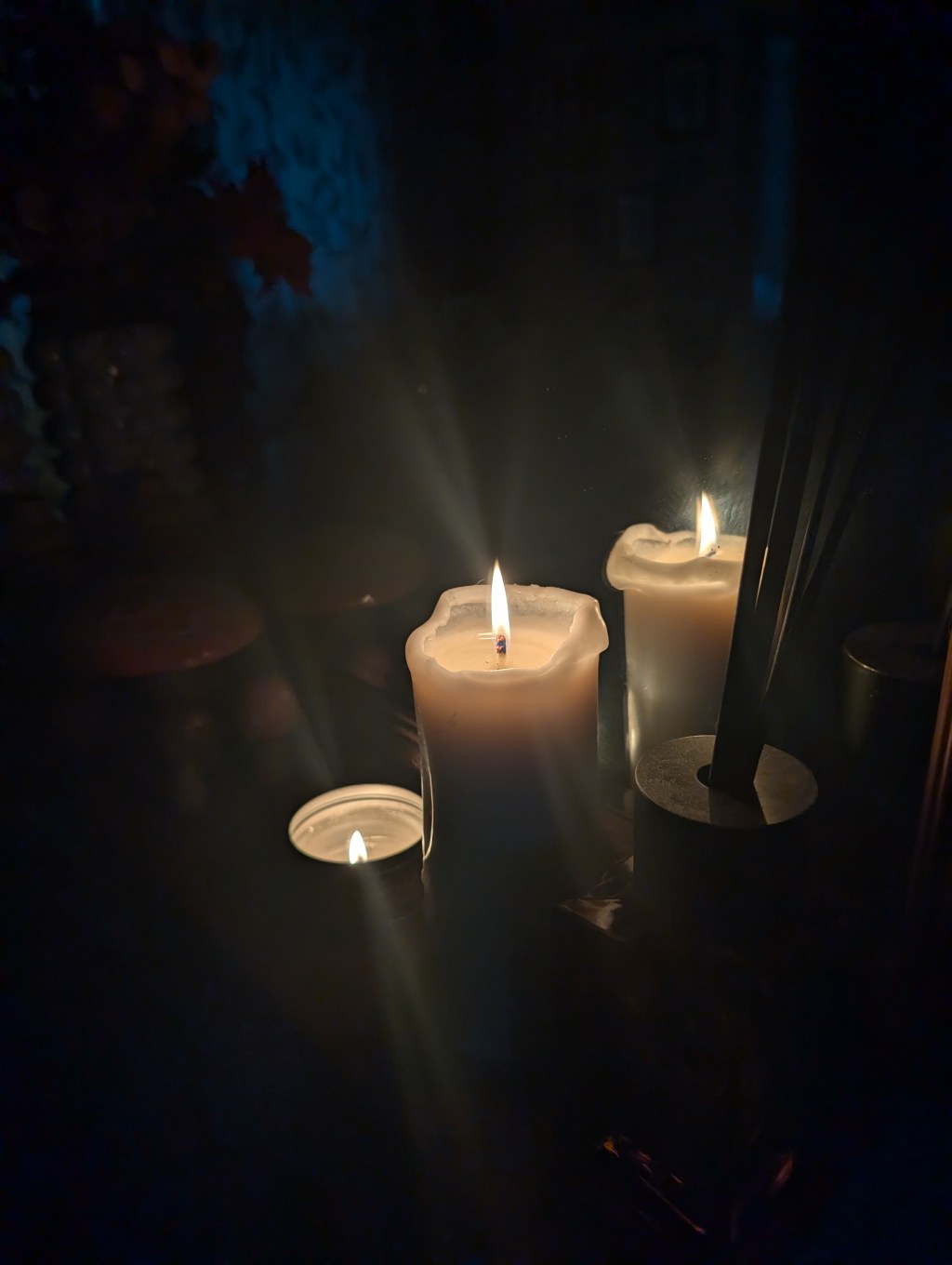
I write this blog the day after the second session, it has been a beautiful calm day. I lit a candle tonight and felt so very content, that felt good.
The Wim Hof Breathwork technique is more than just a wellness trend; it’s a scientifically-backed approach to enhancing physical, mental, and emotional health. Whether you’re looking to alleviate stress, boost your immune system, or achieve greater mindfulness, this method offers a powerful toolkit for self-healing and growth.
So, take a deep breath, dive in, and experience the transformative power of the Wim Hof Method for yourself. Your journey to better health may be just one breath away.
Hope your day is magical and you notice the small precious moments.
Love & healing hugs


 Wool Goddess
Leave a comment