
Crocheting is a relaxing and creative hobby, but if you’ve ever experienced tingling, numbness, or pain in your hands and wrists while working on a project, you might be dealing with carpal tunnel syndrome (CTS). This condition can be frustrating and even prevent you from enjoying your favourite craft. In this blog, we’ll explore what carpal tunnel syndrome is, why crocheting can contribute to it, and how to prevent and relieve its symptoms.
What is Carpal Tunnel Syndrome?
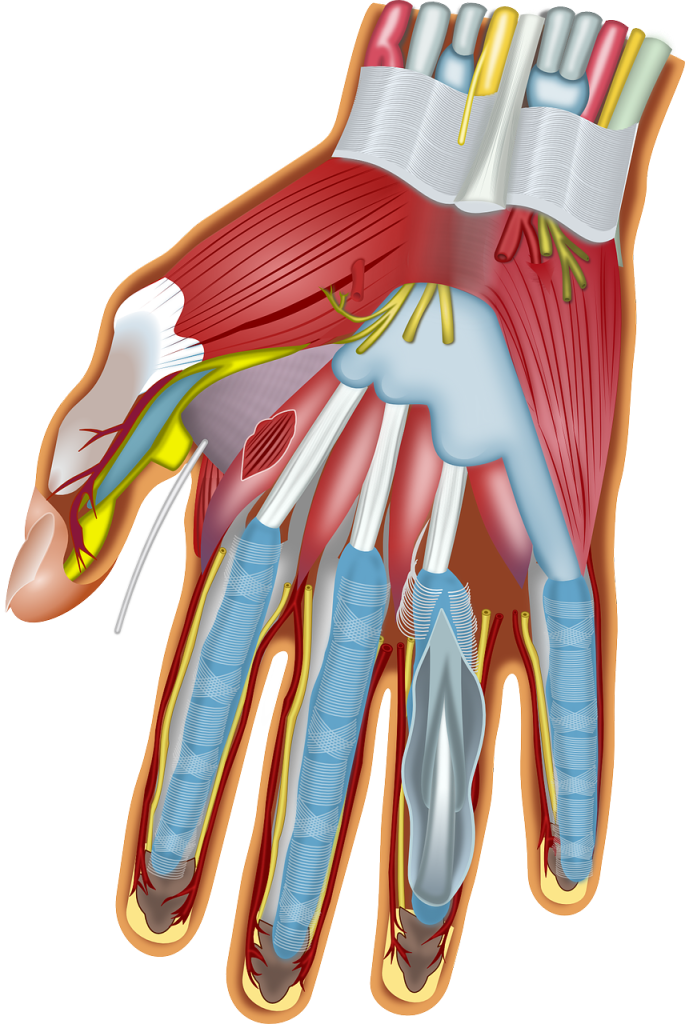
Carpal tunnel syndrome occurs when the median nerve, which runs through the carpal tunnel in your wrist, becomes compressed. The carpal tunnel is a narrow passageway of bones and ligaments that houses this nerve and the tendons responsible for finger movement. When pressure increases in this area, it can cause discomfort and affect hand function.
Symptoms of Carpal Tunnel Syndrome
- CTS symptoms can develop gradually and worsen over time. Common signs include:
- Tingling or numbness in the fingers, especially the thumb, index, and middle fingers.
- Pain or discomfort in the wrist and hand.
- Weakness in the hand, making it difficult to grip objects.
- A sensation of swelling in the fingers, even if no visible swelling is present.
- Increased symptoms at night or after prolonged hand use.
Why Does Crocheting Cause Carpal Tunnel Syndrome?
Crocheting involves repetitive hand and wrist movements, which can strain the tendons and put pressure on the median nerve. Several factors increase the risk of developing CTS while crocheting:
Repetitive Motion: Continuous stitching without breaks can overwork the hand muscles and tendons.
Poor Ergonomics: Holding the crochet hook too tightly or maintaining a rigid wrist position for extended periods can contribute to strain.
Existing Conditions: Arthritis, diabetes, or previous wrist injuries can make you more susceptible to CTS.
Tension in Hands: Excessive tension when working on tight stitches can increase strain on the wrist and fingers.
How to Ease and Prevent Carpal Tunnel Pain
If you’re experiencing discomfort from crocheting, there are several ways to alleviate symptoms and prevent CTS from worsening.
- Take Frequent Breaks
- Every 20-30 minutes, take a short break to stretch your hands and wrists. Shake them out gently and move your fingers to promote circulation.
- Stretching and Hand Exercises
- Simple exercises can help prevent stiffness and improve flexibility:
- Wrist stretches: Extend your arm with your palm facing outward and use your opposite hand to gently pull back your fingers.
- Finger flexing: Open and close your fingers into a fist multiple times.
- Thumb stretches: Press your thumb against your palm and stretch it outward.
- Improve Your Ergonomics
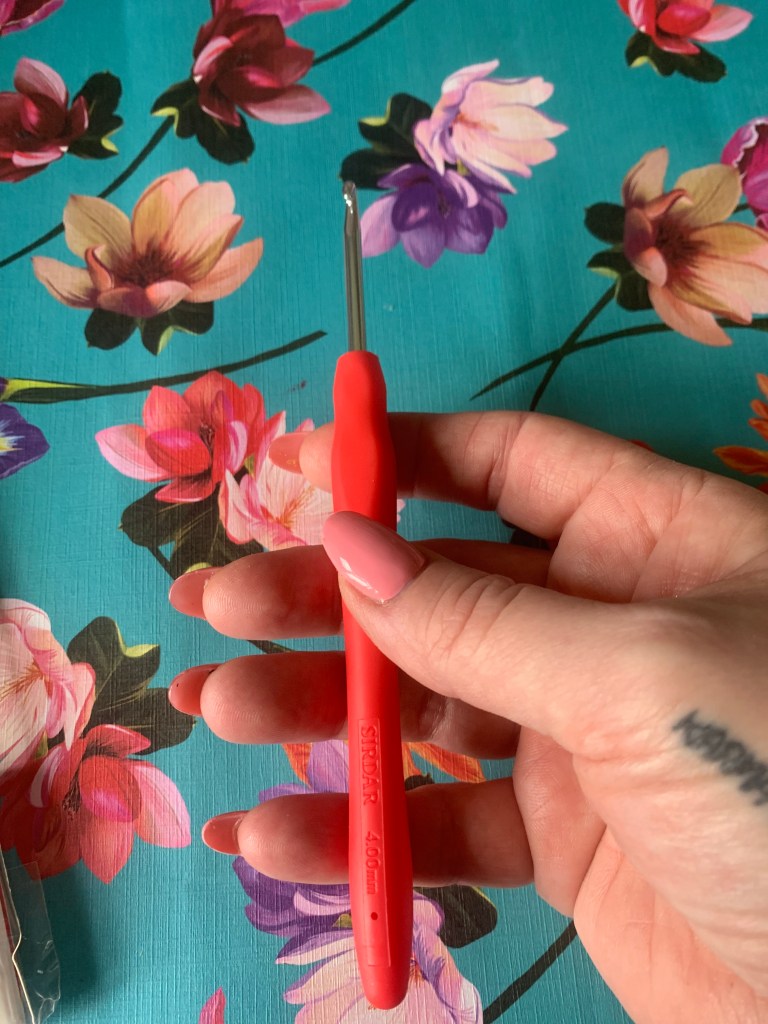
- Use a crochet hook with an ergonomic handle to reduce strain on your fingers. Ergonomic crochet hooks are designed to reduce hand fatigue and improve comfort during long crocheting sessions. These hooks often feature soft, rubberized handles and are made from a variety of materials, including aluminium, plastic, and wood.

- Maintain a relaxed grip and avoid holding the hook too tightly.
- Position your hands comfortably, ensuring your wrists are not bent at awkward angles.
- Sit in a well-supported position to reduce unnecessary tension in your arms and shoulders.
- Use Supportive Gear: Wearing a wrist brace while crocheting or during rest periods can help keep your wrist in a neutral position and reduce nerve compression.
- Apply Ice or Heat Therapy: Applying an ice pack to your wrist for 10-15 minutes can reduce inflammation. Alternatively, warm compresses can help relax tight muscles and improve blood flow.
- Massage and Hand Therapy: A gentle hand massage can help relax muscles and improve circulation. Some crocheters find relief with professional physical therapy or acupuncture.
- Modify Your Crochet Habits: Alternate between different stitch types to avoid repetitive stress on the same muscles.
- Work on smaller projects instead of long sessions with large, heavy pieces.
- Switch hands occasionally if possible, to distribute strain more evenly.
When to See a Doctor
If you experience persistent pain, weakness, or worsening symptoms despite home remedies, it’s essential to consult a healthcare professional. Early intervention can prevent further damage and may include physical therapy, medications, or in severe cases, surgery.
Conclusion
Carpal tunnel syndrome can be a frustrating obstacle for crocheters, but with proper precautions and care, you can continue enjoying your craft without pain. Prioritize hand health by taking breaks, practicing good ergonomics, and incorporating stretching into your routine. By making small adjustments, you can keep crocheting comfortably for years to come!
Love & hugs

 Wool Goddess
Leave a comment