Ladies over fifty, read on if you have leaks, and can not sneeze, laugh and jump up and down without crossing your legs, squeezing tightly, and saying a little prayer to the Pelvic Floor Fairy. Sometimes she hears us… and sometimes she’s far too busy.
If you use incontinence pads, pantyliners, or sanitary pads regularly, especially for bladder leaks, menopausal changes, prolapse, or pelvic floor issues, what those products are made from matters far more than most of us were ever taught.
Thankfully, many of us have now moved on from dental-floss-style thongs and opted for a lovely, wide cotton gusset, because we all know that’s best for our feminine parts. But then we go and stick a pad onto that lovely natural cotton that’s made from materials that are anything but natural.
Many women over fifty experience ongoing soreness, itching, burning, or a vague sense of discomfort and are told it’s “just one of those things”. In reality, daily exposure to chlorine, fragrance, and dyes can play a much bigger role than we realise.
This blog isn’t about fear or shame, and it’s definitely not about showing you super-expensive products to switch to that you can’t afford. It’s about understanding your body and why choosing gentler products can be a powerful act of self-care.
You need to switch because:
- The vulva is not “just skin”
- The vulva is made of thin, delicate tissue with:
- A rich nerve supply
- Higher absorption than many other areas of the body
- A finely balanced pH and microbiome
- Unlike the skin on your arm, vulvar tissue reacts quickly to friction, moisture, and chemicals, particularly when products are worn for hours at a time.
Sensitivity can increase significantly with:
- Menopause or low oestrogen
- Hysterectomy
- Prolapse
- Chronic pain or inflammatory conditions
- Long‑term daily pad or liner use
For many women, discomfort isn’t “in their head”; it’s a physical response to constant irritation.
Chlorine: why bleaching matters
Most conventional pads are made using wood pulp that has been chemically bleached to give that familiar bright white appearance. This process often involves chlorine or chlorine‑derived compounds.
Even when considered safe for general use, trace residues can remain.
How chlorine can affect vulvar tissue:
- Drying of already delicate skin
- Burning or stinging sensations
- Increased sensitivity over time
- Contact dermatitis
- Low‑grade inflammation with prolonged contact
If your vulva is already affected by hormonal changes or pressure from prolapse, this irritation can become chronic rather than occasional.
Fragrance: the most common vulvar irritant
Fragrance is one of the leading causes of vulvar irritation. It is added to pads to mask odour — not to improve cleanliness or health.
Why fragrance causes problems:
- It can contain dozens of undisclosed chemical compounds
- It interferes with natural scent and pH balance
- It increases the risk of itching, redness, and swelling
Reactions can be delayed, appearing hours or even days later
A healthy vulva does not smell like perfume. A neutral, slightly musky scent is normal and healthy.
What about the dyes?
Dyes used in this kind of product are purely cosmetic, not functional. They are added to pads for appearance only. They offer no health benefits or improvement in absorbency or comfort
What they can do is increase the likelihood of:
- Skin reactions
- Redness and soreness
- Ongoing irritation
For menopausal, sensitive, or inflamed tissue, dyes are simply unnecessary exposure.
Why switching to natural pads helped me:
Pads made from organic cotton or bamboo, and labelled chlorine-free, fragrance-free/dye-free, reduce the overall chemical load on the vulva, which is beneficial.
For a long time, I lived with irritation, inflammation, and discomfort, and, like so many women, I quietly told myself it was just menopause and something I had to tolerate. It never occurred to me that the products I was using every single day could be part of the problem. Add to that the embarrassment so many women feel when buying incontinence pads instead of period ones, and it’s no wonder we suffer in silence. Yet for those managing bladder leaks, prolapse, menopausal changes, or daily pad use, small, thoughtful changes can be genuinely life-changing, I know because I’ve lived it. Breathability matters far more as we age, especially post-hysterectomy or through peri- and post-menopause, when our vulvar and vaginal microbiome is more sensitive than ever. Choosing natural, chlorine-free, fragrance-free, and dye-free options isn’t about shaming mainstream products; many women use them without issue. However, for those experiencing persistent irritation, soreness, pelvic discomfort, or sensitivity, the comfort payoff can be profound.
Your vulva doesn’t need to be fragranced, bleached, or disguised. It needs gentleness, breathability, and respect, just like the rest of you.
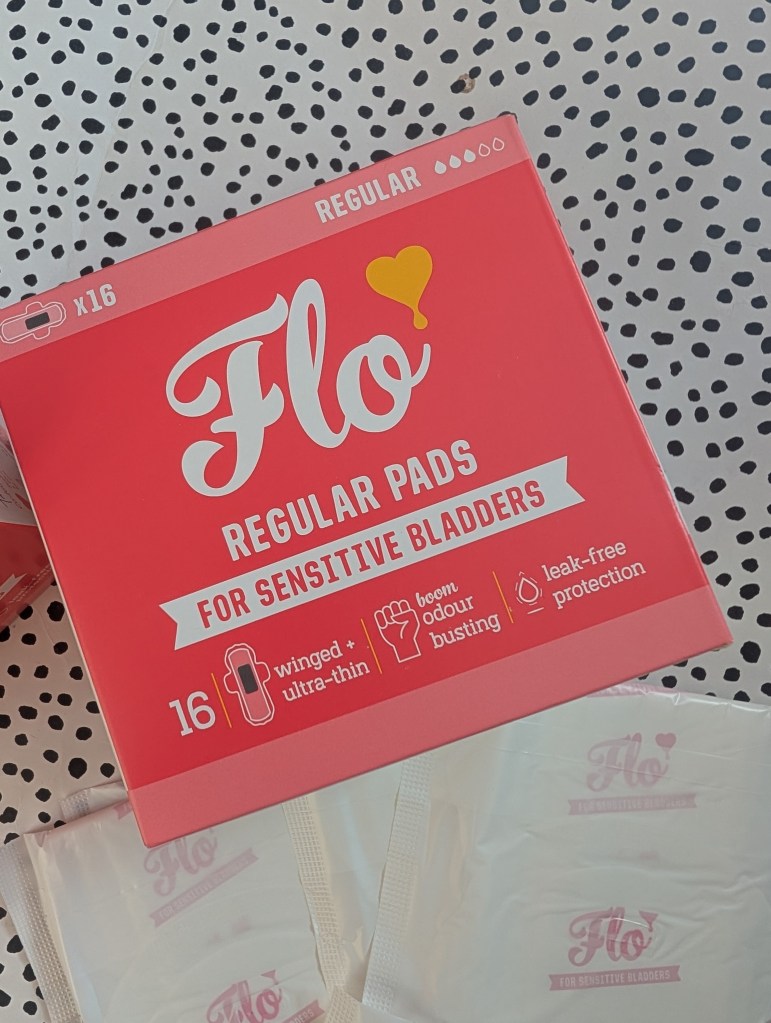
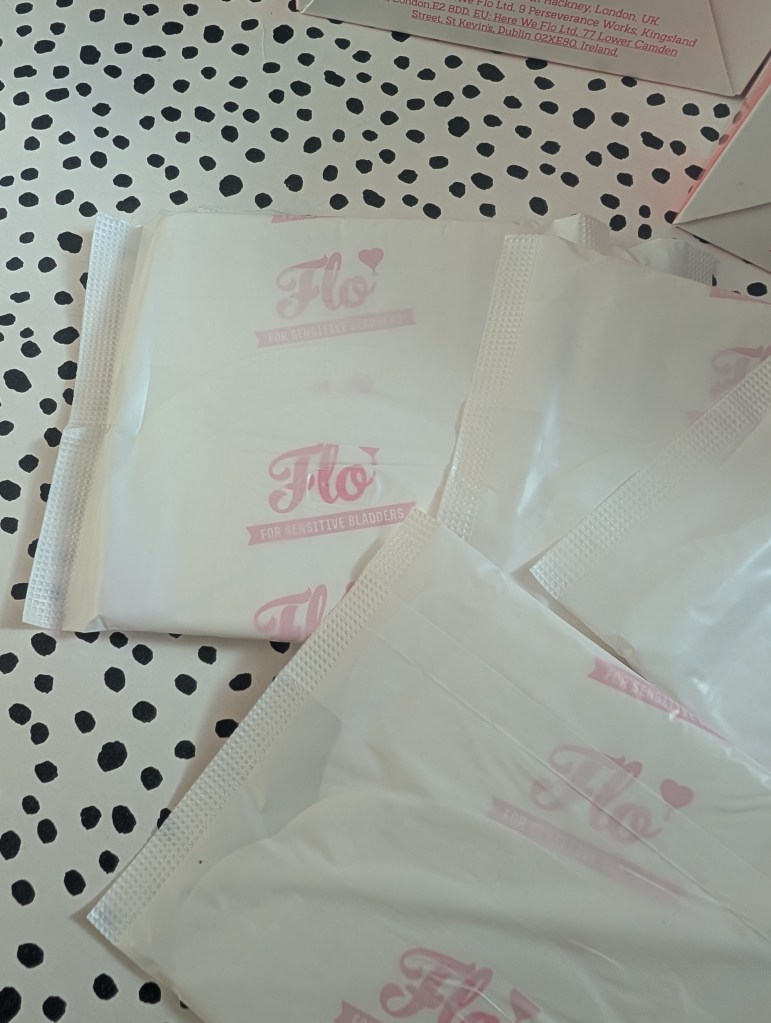

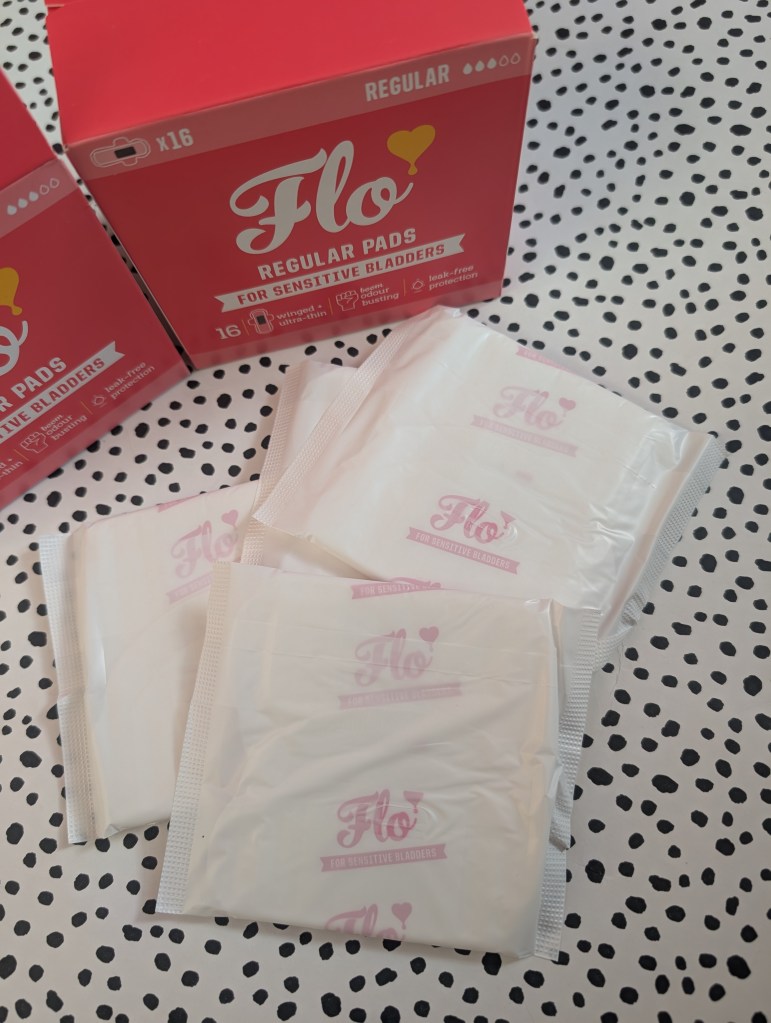

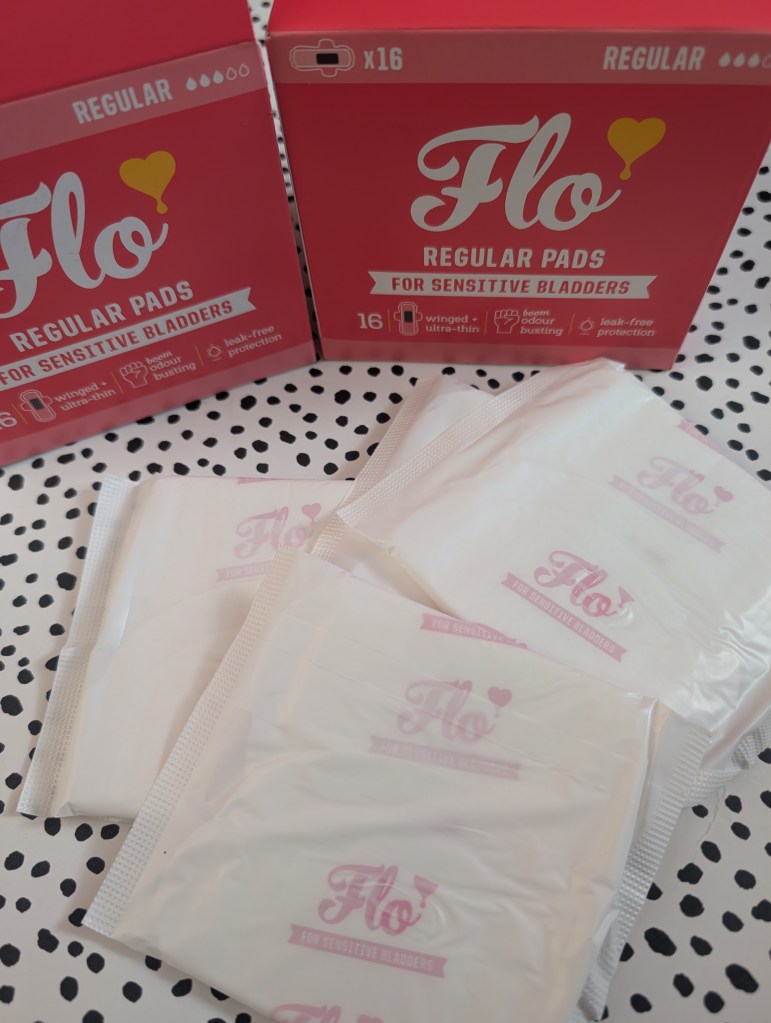
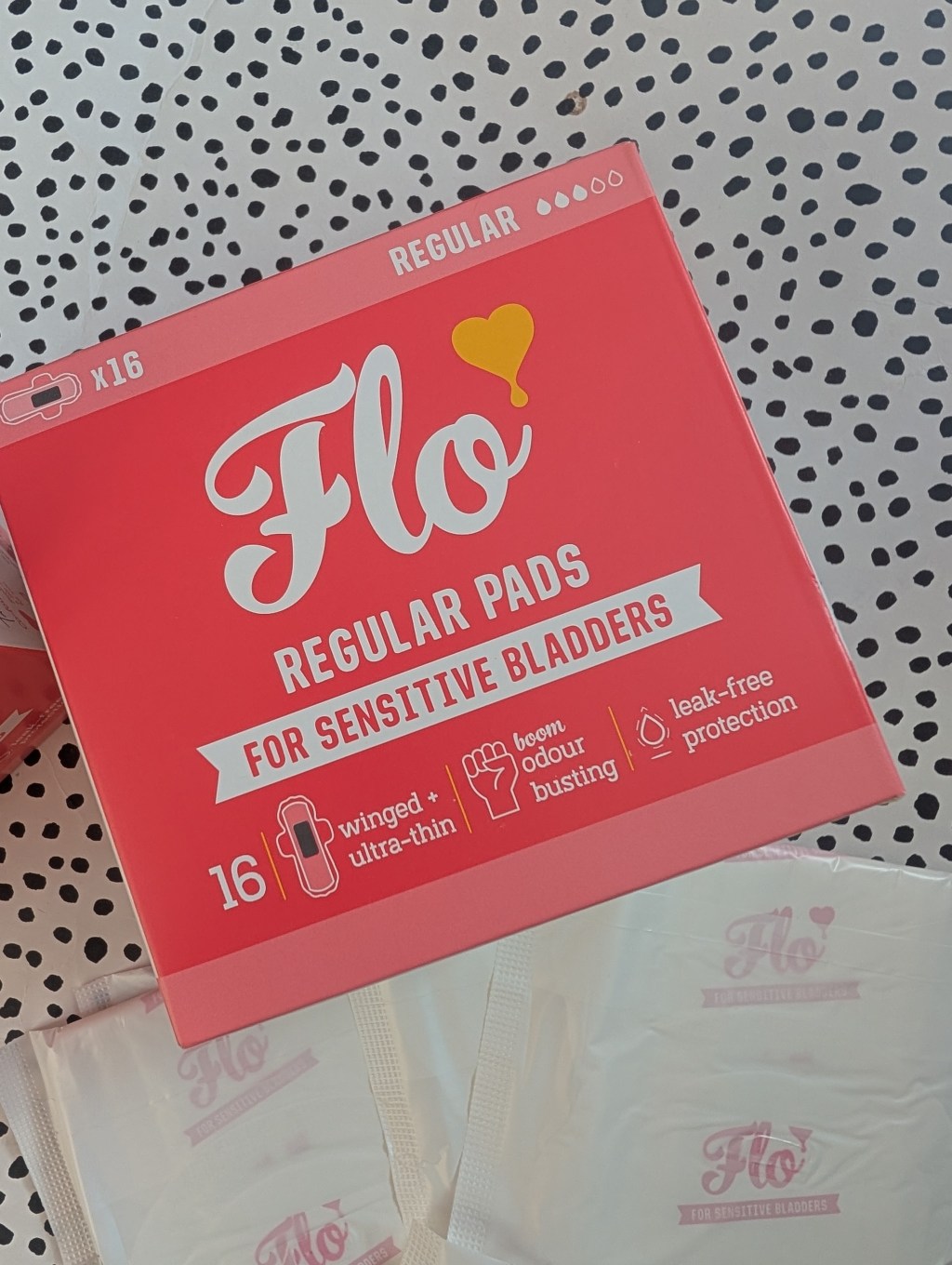
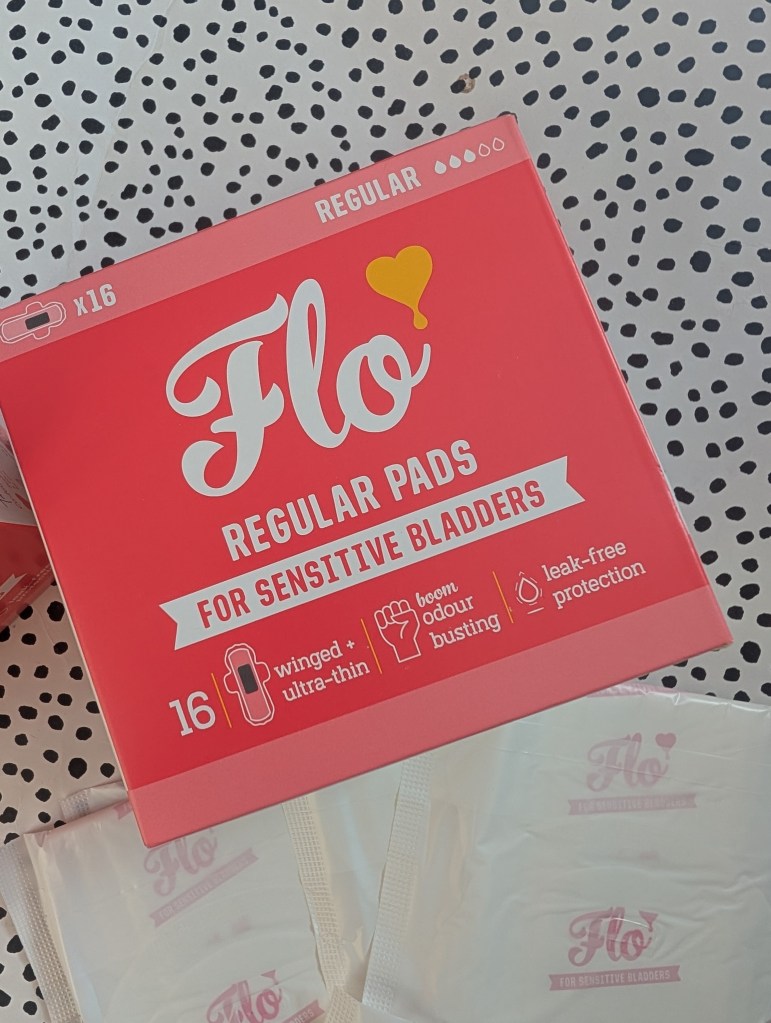
These are the products I use and have really noticed a difference.
Flo Bamboo Sensitive Bladder Pads. They sell these in Tesco & Boots, so it’s easy to grab a box while shopping. £3.50 for a box.
Let me know if you make the switch and notice a difference
Love & hugs

 Wool Goddess
Leave a comment