I searched the internet for another woman’s honest account of rest and healing after a posterior bowel repair, a colpoperineorrhaphy, and I couldn’t find one. So I decided to write my own.
I’ve written this for the women who, like me, end up late at night turning to Google, searching not for medical jargon but for reassurance. For another woman’s words. A real account. Something that says you’re not alone and this is what it can actually feel like.
Talking matters, even when the subject isn’t sexy. Especially when it isn’t. Bladders, wombs, bowels, bowel movements… and yes, having your vagina and perineum stitched, these are still deeply taboo topics. Yet they are part of so many women’s lived experiences.
A few women have messaged me to say they didn’t even know this surgery existed. They’d never heard of it before. Some have asked how I manage to wee if I’m stitched, a question that quietly reveals how basic female anatomy often goes undiscussed. That we have three separate openings is something certain generations were simply never taught. That my vagina is not stitched closed, but that the posterior wall is stitched and supported.
And that silence is exactly why sharing matters.
If my words help even one woman feel less frightened, less isolated, or better informed, then putting this out there is worth it.
Day One Post-Op: A Floaty Haze
The first day after surgery, I was pretty zonked from the anaesthetic. That heavy, floaty haze lingered well into the early hours of the morning. During surgery, you’re given strong pain relief, and that carries you through the rest of the day, keeping everything soft and sleepy, both body and brain.
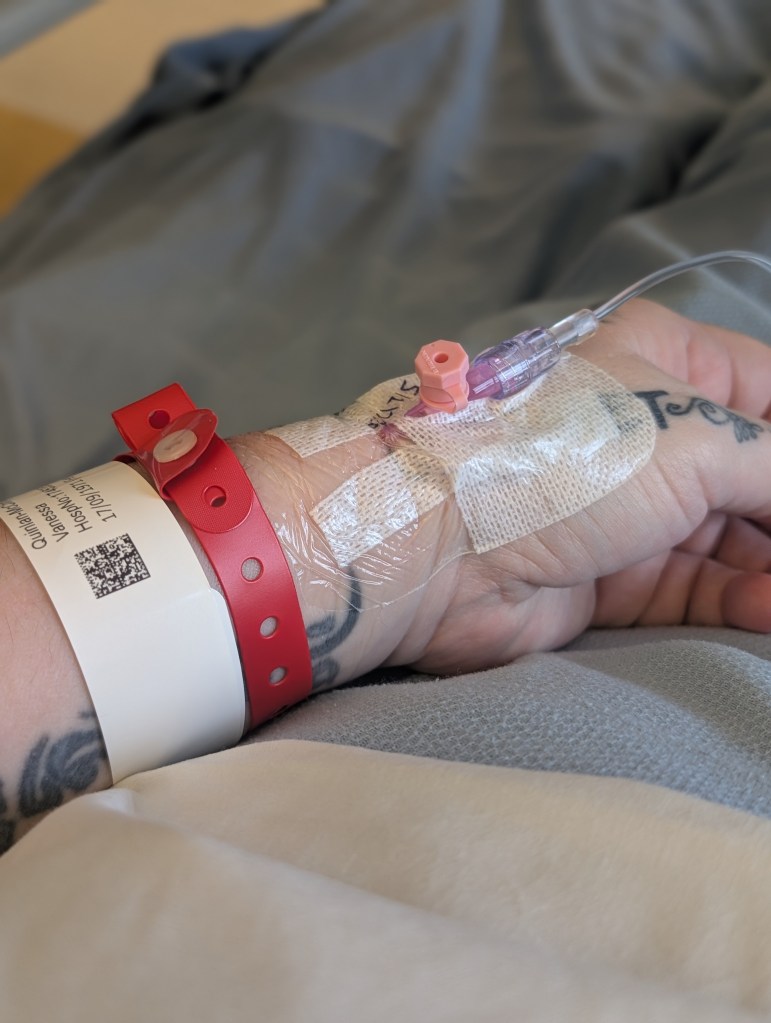
Post-op, I chose to use a high-strength CBD patch, which genuinely helped. I did need codeine during the night to get some rest, although sleep was very broken. Tummy pain, back ache, and the very real presence of stitches made themselves known. Even so, I was surprised; I’d expected to feel far worse.
I’d assumed I’d need help getting to the bathroom, but I managed on my own. Passing urine was very stingy, much like that raw, tender feeling after giving birth. Everything just felt sore and exposed down there.
Day Two: A Sensitive Bladder and Waiting Bowels
Day two pain relief was a combination of CBD and codeine. My bladder was having a moment, feeling full, irritated, and frankly a bit dramatic. After being prodded, stitched, and rearranged by surgeons, I think it’s allowed to be a diva for a while.
My bowels still hadn’t opened, which I both wanted and dreaded in equal measure. The anticipation alone was enough to make me tense.
To help my bladder, I kept fluids to around 2000ml daily and restricted caffeine. I remained very much horizontal, lying on a ring cushion, with walking limited strictly to the toilet and back. Standing brought an immediate sense of pressure on the stitched area, so lying down was far more comfortable, and clearly what my body preferred.
I showered today, as keeping the area as clean as possible feels important for preventing infection. Also, I am a pyjama woman, but I bought myself some Marks & Spencer’s nighties, and they really made it easier to navigate the toilet. I actually feel quite glamorous in them, small wins, ey!
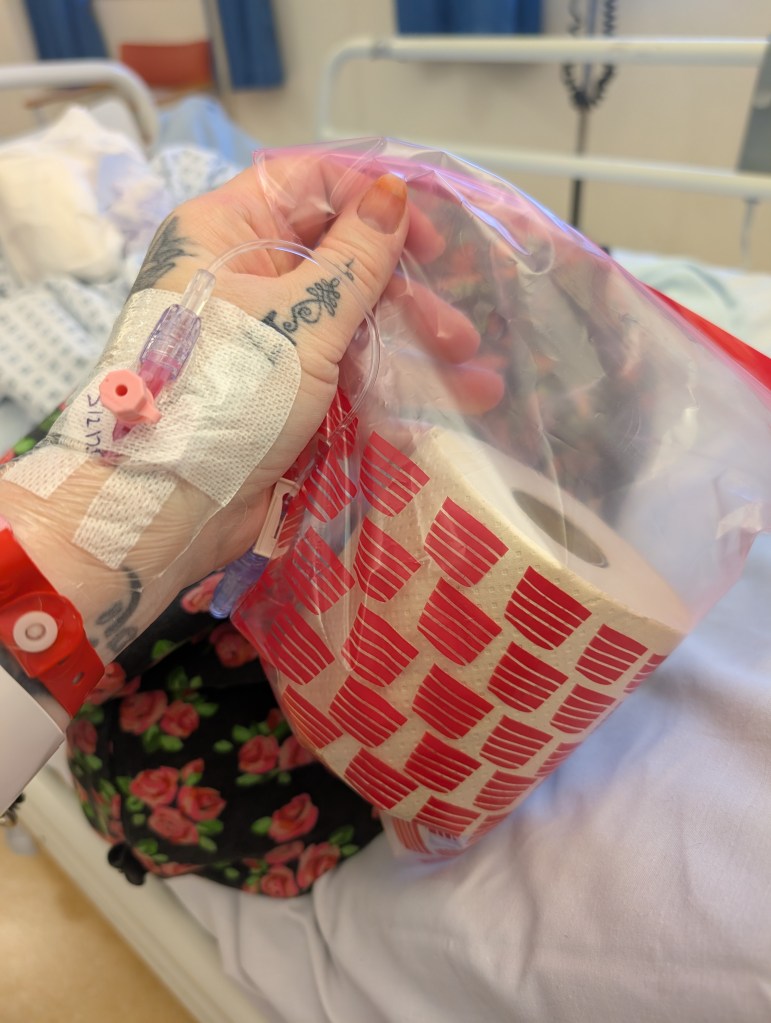
I’ve also been very intentional with hygiene; I will call this my little toilet rituals. I’m using a fresh, non-chemical bamboo toilet roll, kept in a zip-lock bag between visits rather than left in the bathroom collecting germs. Using non-bleached, chemical-free paper supports a healthier healing environment and helps maintain natural pH. Pads are also non-bleached, and I change them at every toilet visit.
Day Three After Pelvic Floor Surgery: Why Rest Is Not Failure
Today has been a sleepy one. Lots of lying down, a cushion tucked underneath me, and only getting up to walk to the toilet. And if you’re reading this, wondering whether that’s normal on day three after pelvic floor surgery, it truly is.
For many of us, it’s exactly what the body needs.
Painrelief is now just the CBD patch. If you still need stronger pain relief, then please do; there are no gold stars given for suffering without adequate pain relief. We are all different.
Days three to five are often when swelling peaks. Internal stitches are still fresh, tissues are inflamed, and the pelvic floor is adjusting to a completely new level of support. At this stage, gravity is not your friend.
Being upright, even sitting, places pressure directly onto the repair. That pressure can show up as heaviness, aching, bladder irritation, or a general sense of discomfort. None of this means something is wrong.
It means healing is happening. And rest, real, unapologetic rest, is not failure. It’s part of the work.
Daily showering continues, using a non-perfumed soap, alongside my now well-established little toilet rituals, all chemical and bleach-free sanitary products. It feels grounding, intentional, and like I’m actively supporting my body rather than just waiting for it to heal.
The consultant has advised keeping fluids to around 2000mls a day and reducing caffeine as a long-term lifestyle change. For a Yorkshire Tea lover, this is no small ask, but I’m committed to being strict with it. Healing, after all, sometimes comes with sacrifices… even of the beloved brew.
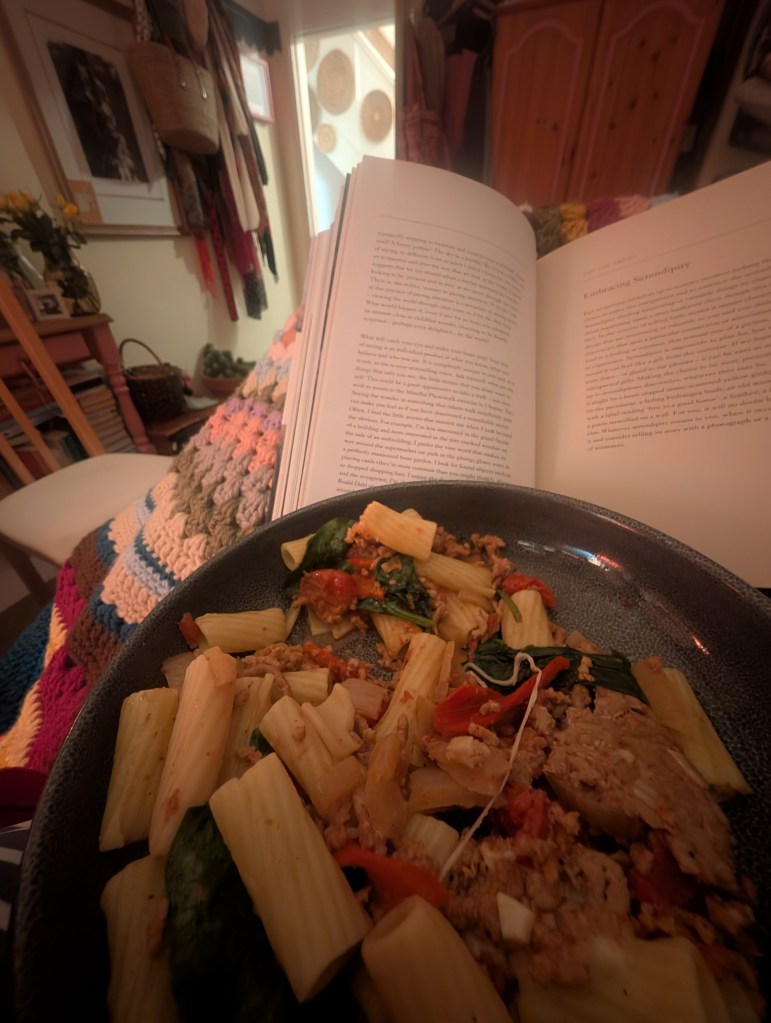
Meals are simple, healthy, and nutritious, rich in protein and fibre, because recovery isn’t just about stitches, it’s about giving the body what it needs to rebuild.
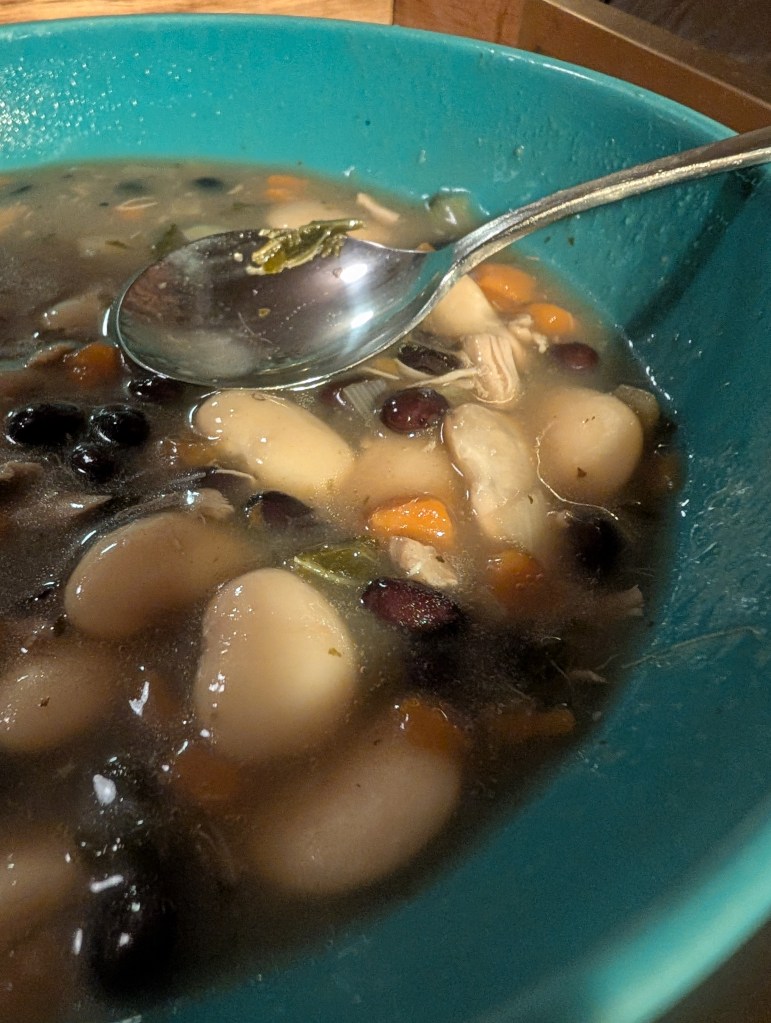
And then… the bowels opened. Painful, yes, the first time really was, but subsequent movements have been genuinely enjoyable. I haven’t felt this relieved, or this unconstipated, in a very long time. No obstruction, no straining; just actual, proper relief.
My sister even commented that my skin is glowing, apparently a result of “not being full of shit” anymore. I’ll take it. Another small win.
Honestly, it feels a bit like that post-colonic-irrigation lightness, clearer, cleaner, and strangely euphoric.
Healing comes in unexpected forms.
Day Four: Held by Others
Day four was very much like day three in every way. Lots of rest, lots of stillness. It also brought with it a deep wave of gratitude and sadness for anyone going through this surgery without a strong support network at home. I honestly don’t know how I would cope without my sons’ round-the-clock devotion, or my sister calling in with home-cooked meals and being her wonderfully matronly self.
She’s very much the matriarch with my boys, firing instructions at them without hesitation, and it’s been oddly comforting to be on the receiving end of that care. I’ve felt held in a way that goes far beyond the physical.
One of my biggest fears going into surgery was the post-op vulnerability. I hate asking for help. Independence is stitched into my bones. So my sons and I came up with a gentle workaround that protects my pride as much as my pelvic floor. Each day, I write a list in a notebook of what needs doing, and they share the load, simply writing their name next to a task once it’s done. No asking, no feeling like a burden. Just teamwork.
Day Five: Back in the World (A Little)
Day five has felt a bit more productive, like I’m tentatively stepping back into the real world. I painted my nails red and pottered around the kitchen for a short while. Small things, but they mattered.
It’s surprisingly hard remembering that if something falls on the floor, it has to stay there until someone else picks it up (deeply annoying), and that lifting things which once felt effortless is now completely off-limits.
Still, today I did some blogging, replied to messages, and although I remain very much horizontal, it felt good. Productive. Like myself again, just in a slower, softer version, snuggling my fur babies on the couch.
And that, for now, is enough.
What Rest Looks Like (and Why It Matters)
For early recovery, rest isn’t about doing nothing; it’s about protecting the repair.
At this stage, rest often looks like:
- Lying flat or on your side for most of the day
- Using a cushion or small pillow under the hips to reduce pressure
- Getting up only to use the toilet
- Changing position gently rather than staying still for hours
This kind of rest allows swelling to settle, stitches to hold securely, and the pelvic floor to heal without strain.
Early movement is about circulation, not fitness. Walking to the toilet, doing circle foot exercises as you lie, standing briefly, or taking a few gentle steps around the room is enough. There is no benefit to pushing through discomfort or trying to stay upright for longer than feels comfortable.
Activity increases gradually, not all at once:
Days 1–4: Mostly lying down, toilet trips only
Days 5–7: Very short, gentle walks around the room or hallway
Week 2: Light pottering, still plenty of rest
Listening to your body now helps protect your long-term recovery.
Trust the Signals
If being upright causes pressure, heaviness, bladder urgency, or aching, that’s your body asking for rest. Responding by lying down isn’t giving in; it’s supporting healing.
There will be a time for walking more, moving more, and rebuilding strength. Week One is not that time.
So if this week has been a sleepy, horizontal one, you haven’t failed your recovery. You’re doing exactly what your body needs.
Rest is not weakness. Rest is repair.
Love & healing hugs

Blog Series
Sitting With Vulnerability: A Life Update
What unsettles me isn’t the surgery itself; it’s the vulnerability.
Understanding Posterior Prolapse Repair & Colpoperineorrhaphy
Making sense of the surgery and healing
Post Colpoperineorrhaphy Surgery Recovery: Embracing Rest and Healing
Talking matters, even when the subject isn’t sexy. Especially when it isn’t.
Supporting Your Bowels Without Strain After a Colpoperineorrhaphy
“How do I eat enough fibre without making things worse?”
First Week Post Op Colpoperineorrhaphy
This feels like a milestone worth marking.
 Wool Goddess
Leave a comment