A Prolapse-Safe Fibre Plan: Supporting Your Bowels Without Strain
One of the most common questions I’m asked since opening up about prolapse is this:
“How do I eat enough fibre without making things worse?”
Because when you’re living with prolapse, bowel habits aren’t just about digestion, they’re about pressure, comfort, confidence, and protecting your pelvic floor.
For years, we’ve been told “eat more fibre” as if it’s a one-size-fits-all solution. But with prolapse, it’s not about eating more, it’s about eating smarter.
…and don’t even get me started on all the people who advise me to drink gallons of water. Nope, with a prolapse, I was advised by the Uro-Gynaecologist Consultant to reduce my fluid intake to only 2000mls daily.
This blog is about building a prolapse-safe fibre routine that keeps stools soft and easy to pass, without straining, urgency, or that awful heavy feeling afterwards.
Why Fibre Matters (and Why It Can Feel Tricky)
Fibre helps stools hold onto water, move smoothly through the bowel, and pass without effort. That’s exactly what we want with prolapse.
But here’s the catch:
Not all fibre behaves the same way in the body.
Too much of the wrong type, especially too fast, can lead to:
- Bloating and wind
- Abdominal pressure
- Urgency
- Straining (even when you’re trying not to)
That’s why the focus here is on soluble fibre first, layered gently across the day.
The Golden Rule for Prolapse-Friendly Fibre
Soft and steady always beats fast and bulky.
This isn’t about forcing daily bowel movements. It’s about creating stools that are soft, formed, and easy to pass — ideally with no pushing at all.
For many people with prolapse, 30–35g of fibre daily is a safer, more sustainable place to start than jumping straight to 40g.
A Gentle, Prolapse-Safe Fibre Day
This is an example of how fibre can be spread evenly across the day to reduce pressure and strain.
Breakfast: Setting the Tone (8–10g fibre)
A soothing start that softens stools from the inside out.
- Porridge oats (50g dry)
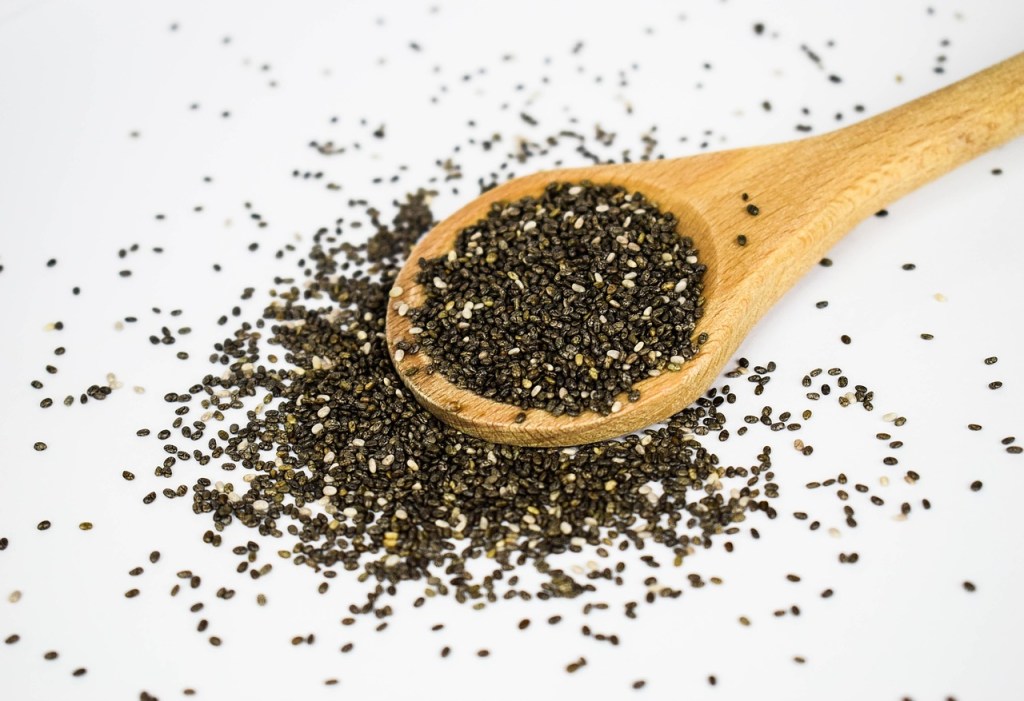
- Chia seeds (1 tablespoon)
- Milk or plant milk
- Optional: a small handful of blueberries
Why this works: oats and chia are rich in soluble fibre, which absorbs water and forms a gentle gel, perfect for easier bowel movements later on.
Mid-Morning: Keep Things Moving (3–4g fibre)
- An apple or pear (skin on)
- A glass of water or herbal tea
Hydration matters just as much as fibre. Without fluid, fibre can actually make stools firmer, not what we want.
Lunch: Calm, Not Chaotic (9–11g fibre)
- Red lentil soup (1–1½ cups)
- One slice of wholegrain or rye bread
Red lentils are one of the most prolapse-friendly fibres, nourishing, grounding, and far less likely to cause bloating than many other legumes.
Afternoon Snack: Gentle Support (3–5g fibre)
Choose what feels best for your body:
- Greek yoghurt with raspberries
- Two Medjool dates
- A small handful of almonds
This is fibre that supports, not overwhelms.
Dinner: Low Pressure, High Nourishment (7–10g fibre)
- Sweet potato (skin on)
- Steamed broccoli (½–1 cup)
- Protein of choice: fish, chicken, eggs, tofu
Cooked vegetables are often far better tolerated than raw when you’re managing pelvic floor symptoms.
Optional Bedtime Helper (2–3g fibre)
If stools are still on the firmer side:
Ground flaxseed (1 teaspoon to 1 tablespoon) stirred into yoghurt or porridge
This works overnight and can reduce morning strain, which is often when prolapse symptoms feel most noticeable.
Toileting Habits Matter Too
Food is only half the picture.
A few gentle practices that make a big difference:
- Use a footstool so knees sit higher than hips
- Lean forward, elbows resting on knees
- Breathe out gently, no breath holding
- Never force it; if nothing happens after a few minutes, get up and try again later
Your pelvic floor will thank you.
Signs You’re Doing Too Much
If you notice:
- Increased pelvic heaviness
- More wind or pressure
- Urgency
- Narrow or difficult stools
It’s often a sign to reduce insoluble fibre, not soluble fibre.
Living with prolapse means learning to work with your body, not against it.
Fibre can be one of your greatest allies when it’s chosen thoughtfully, introduced gently, and paired with hydration, patience, and self-compassion.
You are not weak for needing to adjust.
You are wise for listening.
And you are absolutely not alone
Oh, lastly… the above is a guide of what to eat to add protein. You are a grown woman, so if you want to have a bar of chocolate or a cake with a cuppa, go for it. You have been through a traumatic time, so you deserve a cake if you want it. If anyone judges you, tell them to get their undercarriage stitched, then they can judge you.
Love & healing hugs

Blog Series
Sitting With Vulnerability: A Life Update
What unsettles me isn’t the surgery itself; it’s the vulnerability.
Understanding Posterior Prolapse Repair & Colpoperineorrhaphy
Making sense of the surgery and healing
Post Colpoperineorrhaphy Surgery Recovery: Embracing Rest and Healing
Talking matters, even when the subject isn’t sexy. Especially when it isn’t.
Supporting Your Bowels Without Strain After a Colpoperineorrhaphy
“How do I eat enough fibre without making things worse?”
First Week Post Op Colpoperineorrhaphy
This feels like a milestone worth marking.
 Wool Goddess
Leave a comment