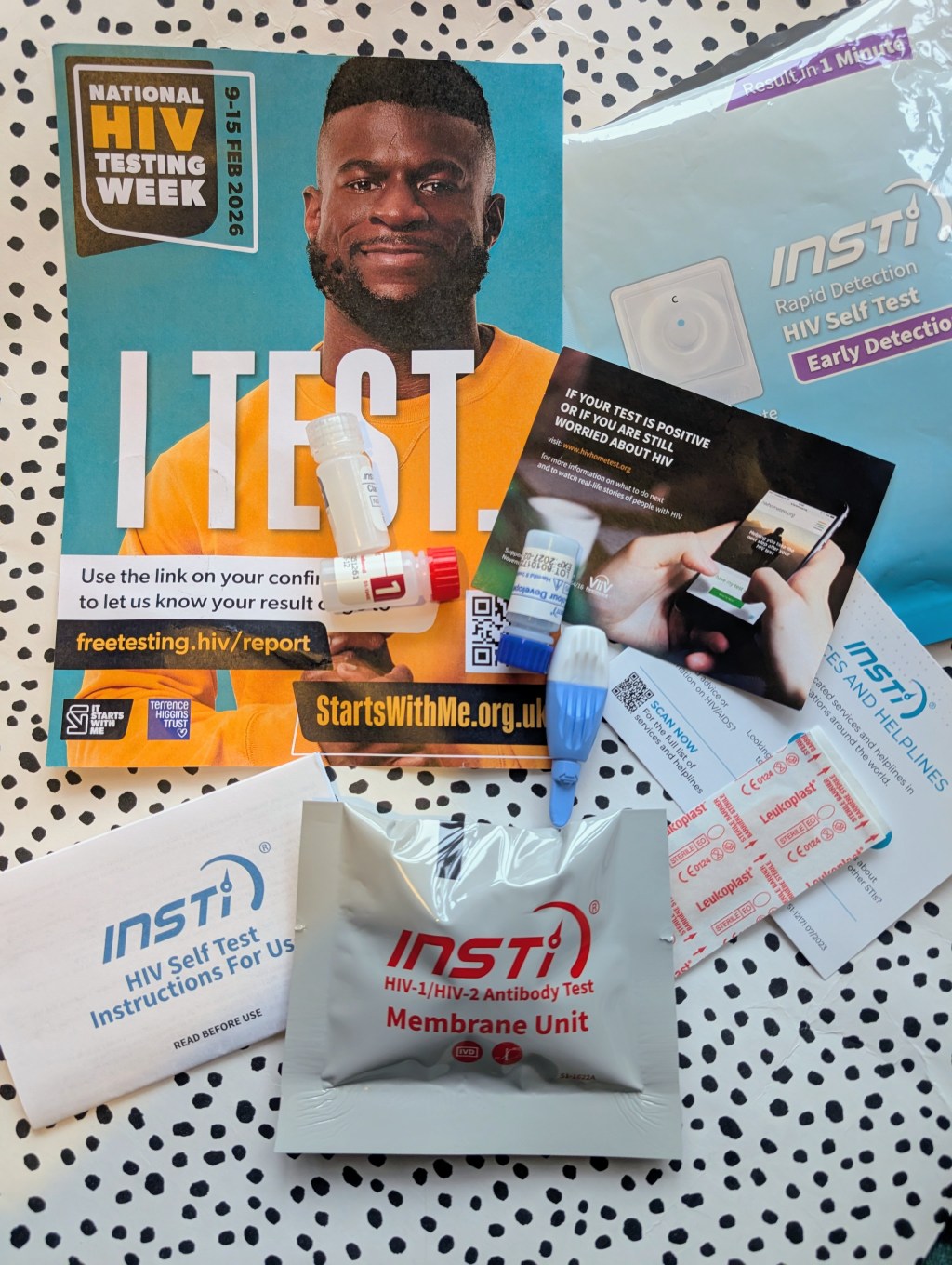
Why I Ordered a Free HIV Test From The Terrence Higgins Trust at 54, and Why You Might Want To As Well.
I want to talk about something many of us don’t often say out loud, especially those of us who are heterosexual, middle-aged, and assumed to be “low risk”.
- I’m a straight woman.
- I’ve never shared needles.
- I’ve never sold sex.
But I have lived a life.
And like most adults, that life has included periods of unprotected sex, sometimes through trust, sometimes through lack of information, sometimes simply because we were human and imperfect.
That alone is enough reason to test.
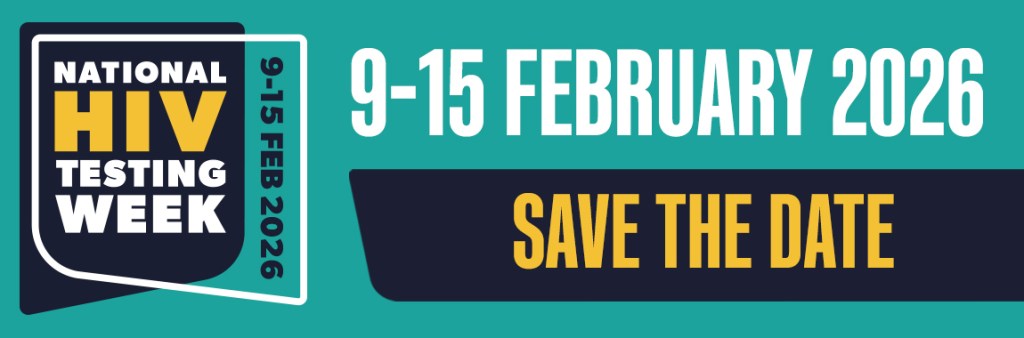
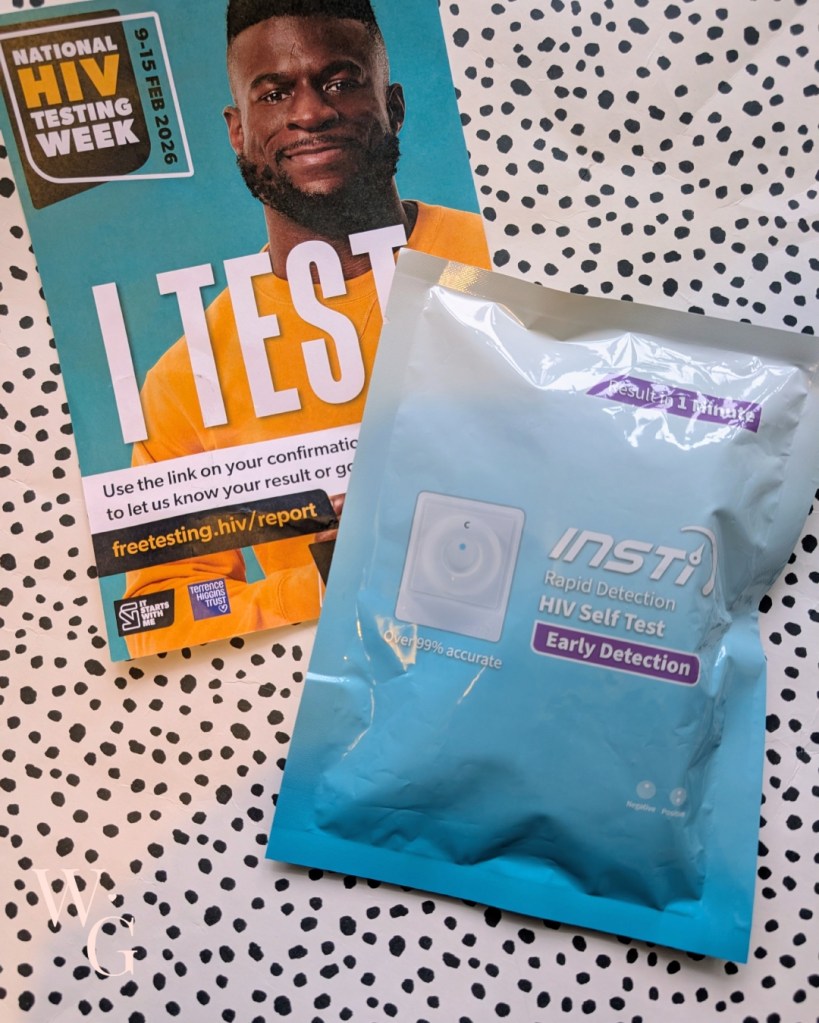
National HIV Testing Week is back for 2026, and it’s never been simpler to find out your HIV status. From Monday 9 February, we’re encouraging people across England to take a test.
Testing is free and confidential. It’s also the only way to know for certain whether you have HIV, and it’s important because people can live with the virus for many years without any symptoms
During National HIV Testing Week, you can order a free self-test, which gives you a result in just 15 minutes, or a postal test where you collect the sample yourself and send it to a lab, who will then contact you with your result.
Regular HIV testing benefits everyone. If your result is negative, you can continue to protect yourself with options like PrEP or condoms. If your result is positive, you can start treatment and live a long, healthy life. People on effective HIV treatment cannot pass the virus on to their partners, and anyone diagnosed with HIV in the UK can access free treatment and support.
HIV can affect anyone, and testing is the only way to know your HIV status. Whatever the result, it helps you stay in control of your health, so get your free HIV test during National HIV Testing Week, and share the message so everyone knows the importance of testing.
Growing up in the 80s shaped what many of us still believe; unless you have updated your information bank, sadly, many have not.
Source: The Terrence Higgins Trust
I came of age during the 1980s, when HIV and AIDS were wrapped in fear, misinformation, and outright cruelty. The slurs aimed at gay men were relentless. The messaging was narrow, moralistic, and damaging, and it quietly embedded the idea that “people like me” didn’t need to worry.
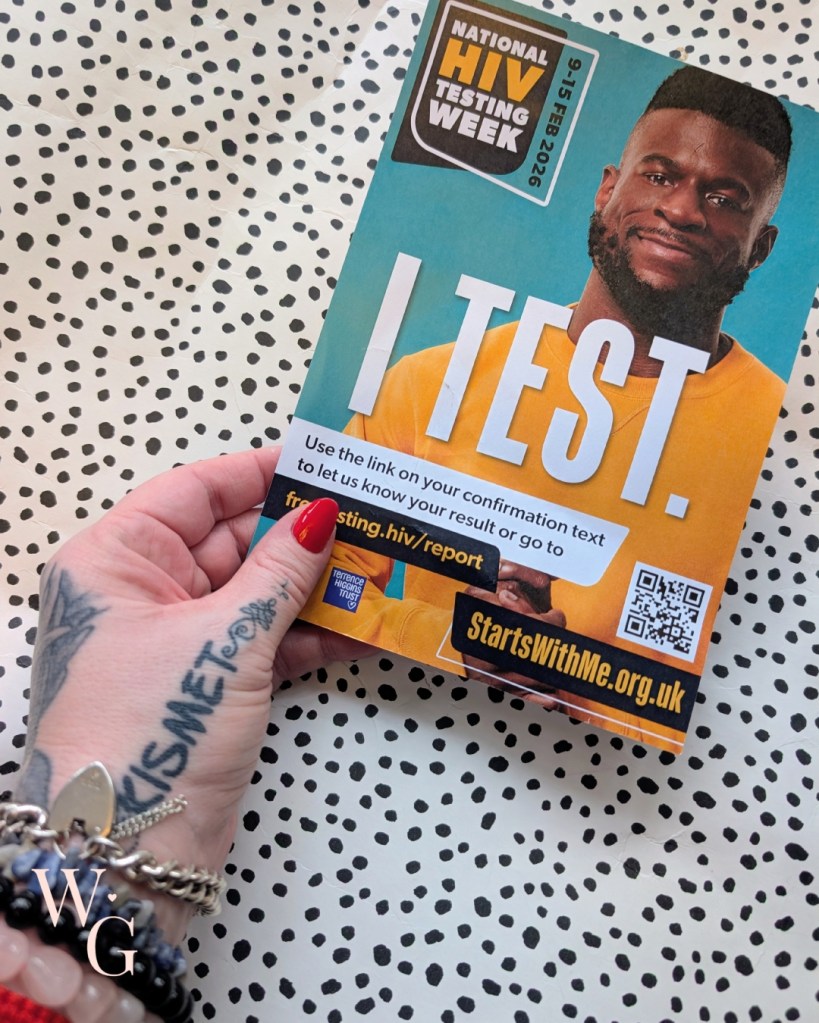
But HIV never belonged to one community.
And the truth is: heterosexual people now make up the majority of new HIV diagnoses in England.
Yet many of us still don’t see ourselves reflected in HIV conversations, which means we don’t test.
HIV doesn’t care about your sexuality
HIV is most commonly transmitted through unprotected vaginal or anal sex.
Not identity. Not labels. Not assumptions.
In fact:
Many heterosexual men and women are diagnosed late, often years after exposure. Late diagnosis is more common in heterosexual people than in gay or bisexual men. Thousands of people in the UK are living with HIV without knowing it. Testing isn’t about shame. It’s about information. And information saves lives.
Why I chose a home test with Terrence Higgins Trust
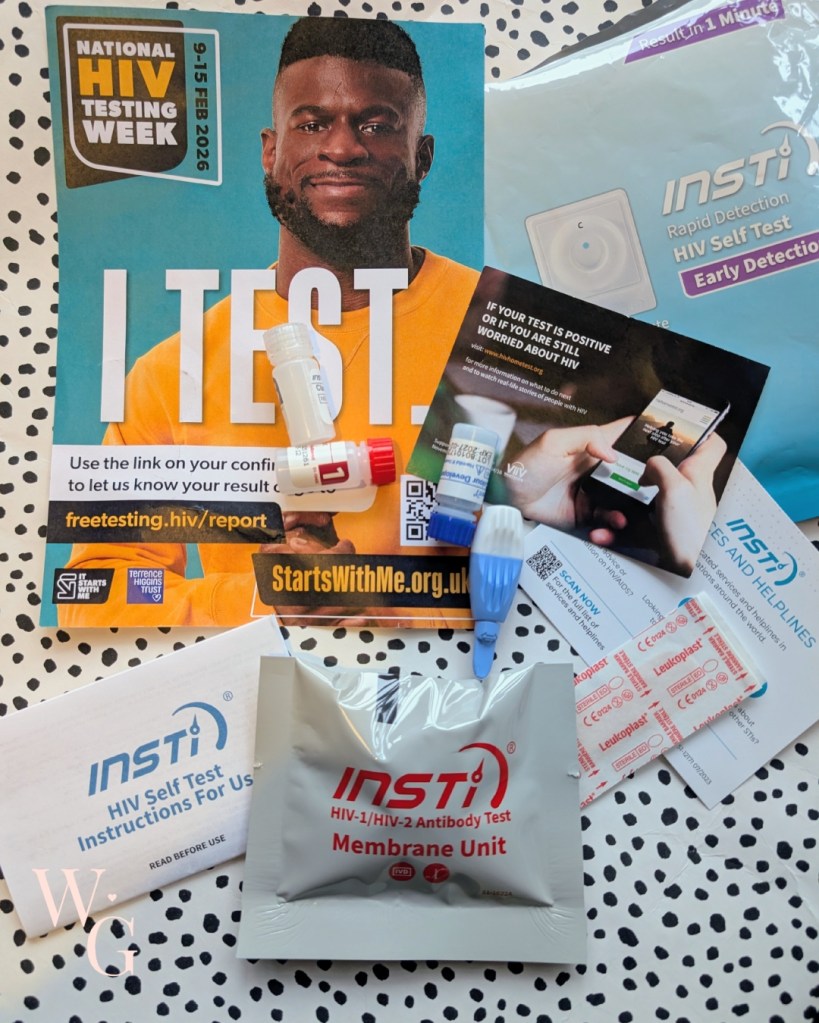
Many years ago I went to my local NHS Sexual Health Walk-In and had a HIV Test as part of my regular health screen. This time, I ordered a free, confidential HIV home test through the Terrence Higgins Trust, in partnership with the NHS.
- No GP appointment.
- No awkward conversations.
- No judgement.
The kit arrived discreetly. I did it at home, in my own time, and sent it back in the prepaid envelope.
That’s it.
And honestly? The relief of knowing is worth far more than the few minutes of discomfort or anxiety beforehand.
You can order a free test here
What people still get wrong about HIV
Let’s gently update some outdated beliefs:
- HIV is not a death sentence
- With modern treatment, people live long, healthy lives.
- If HIV is treated early, it becomes untransmittable
- You can’t “tell” by looking at someone
- Many people have no symptoms for years.
- Testing positive is not the end, not even close
- Treatment is free on the NHS, and support is excellent.
Symptoms, or lack of them
Most people don’t notice early HIV symptoms. If they do appear, they often look like a mild flu:
- fever
- sore throat
- rash
- tiredness
- headache
And then… nothing. Sometimes for years. That’s why relying on “how you feel” isn’t enough. Testing is an act of care, for yourself and others
Knowing your HIV status protects your health, protects your partners, reduces stigma, and normalises responsibility. It’s not about fear. It’s about self-respect. That is why this conversation needs to include all of us
HIV awareness cannot stay frozen in the 1980s.
It must include:
- heterosexual women
- older adults
- people in long-term relationships
- people who don’t see themselves as “risky”
Because silence doesn’t protect us.
Testing does.
If you’ve ever wondered, hesitated, or assumed it didn’t apply to you, this is your gentle nudge.
Order a free, confidential HIV test here
Knowledge isn’t scary. Avoidance is.
And honestly? There is something quietly empowering about taking care of yourself in this way.
Love & healing hugs

 Wool Goddess
Leave a comment