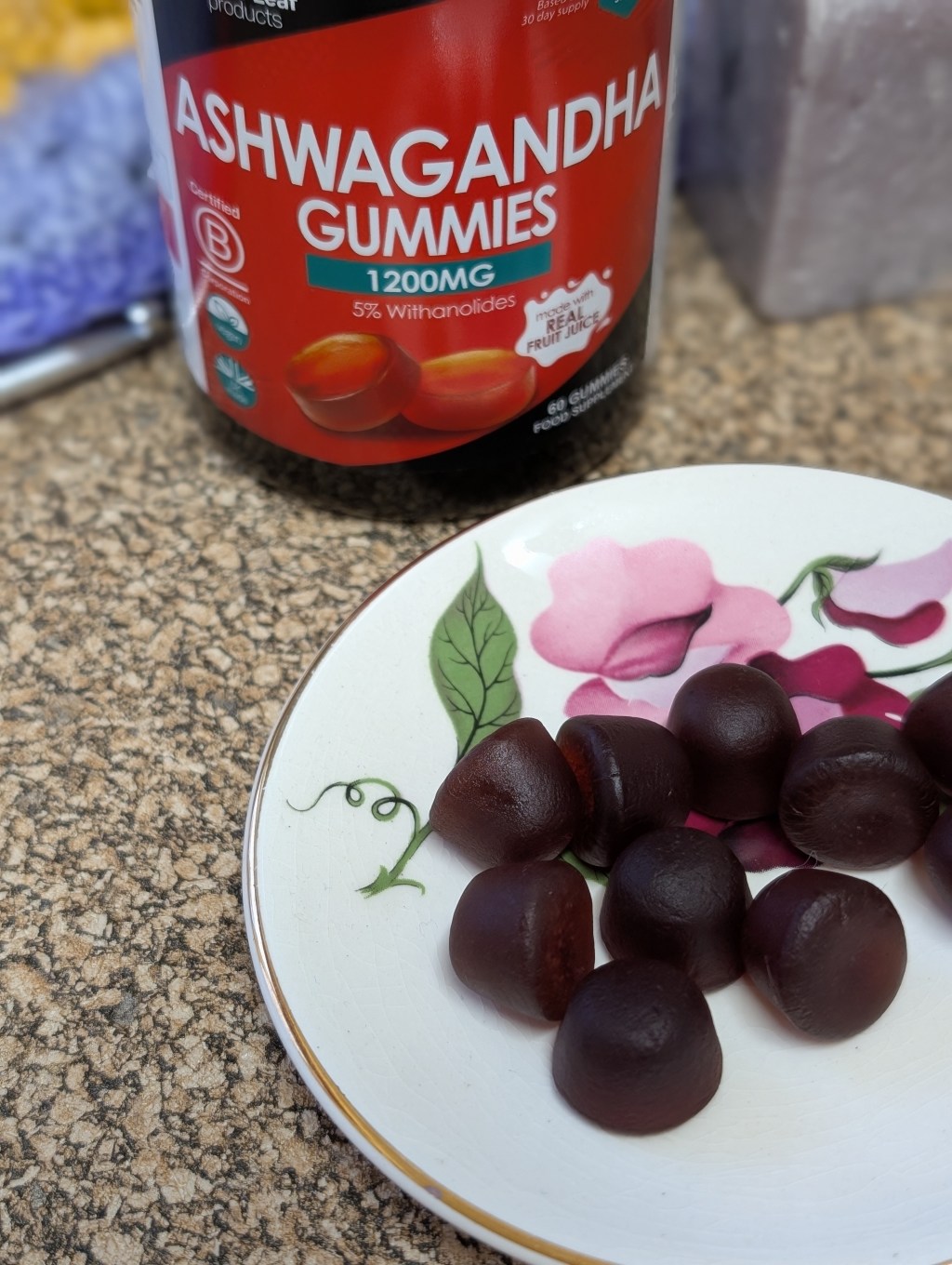
Firstly, let’s get the pronunciation of this magical adaptogen out there, because so many people say to me “that ash stuff you take…”
It’s ash·wuh·gan·duh.
It’s also a word I absolutely love, right up there with rhubarb, bubbles, and cake. One of those words that just feels good in your mouth when you say it. Soft, comforting, oddly joyful… and frankly deserving of being said slowly and properly.
This post contains Amazon affiliate links. I may earn a small commission if you purchase through them, at no extra cost to you.
Ashwagandha is an ancient adaptogen for modern life, because let’s be honest, life can be stressful as hell even without fluctuating hormones, endless responsibilities, and the sheer exhaustion of people-ing.
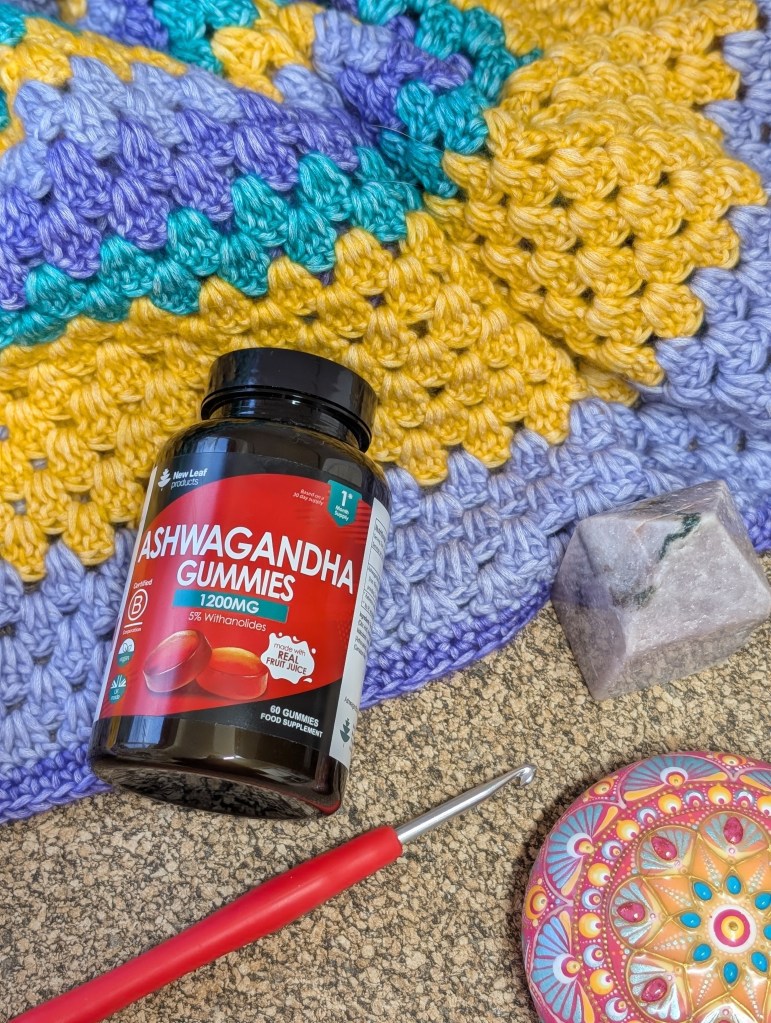
Used for thousands of years in Ayurvedic medicine, ashwagandha helps the body adapt to stress rather than simply stimulating or sedating it. It supports resilience, mentally, emotionally, and physically, which is exactly what so many of us are craving right now, well, I am anyway…..
Whether you’re navigating menopause, burnout, poor sleep, anxiety, or just the daily grind of being human, ashwagandha meets you where you are. It doesn’t shout. It doesn’t jolt. It quietly supports your nervous system so you feel more steady, more grounded, and a little better able to cope with life’s relentless demands.
When life asks so much from you, ashwagandha is a beautiful ally, helping us hold ourselves together with a bit more ease and a bit less frazzle.
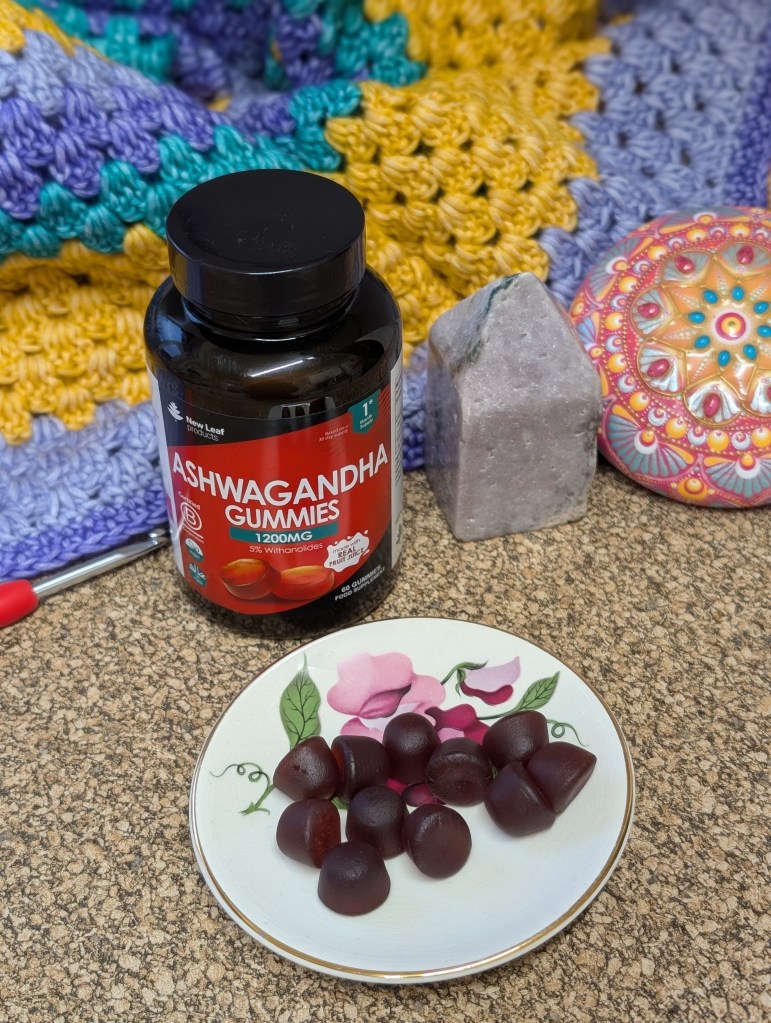
In recent years, it’s found a new audience in easy-to-take forms like capsules and gummies. I personally use New Leaf Ashwagandha Gummies (1200mg) because they offer a great concentration, which matters to me. I don’t want it to simply contain a smidgen of ashwagandha and be filled with false claims of it’s strength.
Let’s get one thing straight: I am not a doctor. I don’t play one on TV, and my medical degree is as non-existent as my ex’s accountability. Everything I share comes from personal experience or my experience as a qualified holistic therapist…but I am not YOUR therapist and I have never done a full consultation on you individually. What works for me might not work for you, so please consult your actual doctor (yes, the qualified kind) before trying anything new.
My Code of ethics; because the boring stuff matters
What Is Ashwagandha?
Ashwagandha is a small shrub native to India, the Middle East, and parts of Africa. The root is the most commonly used part and contains active compounds called withanolides, which are believed to be responsible for many of its health benefits.
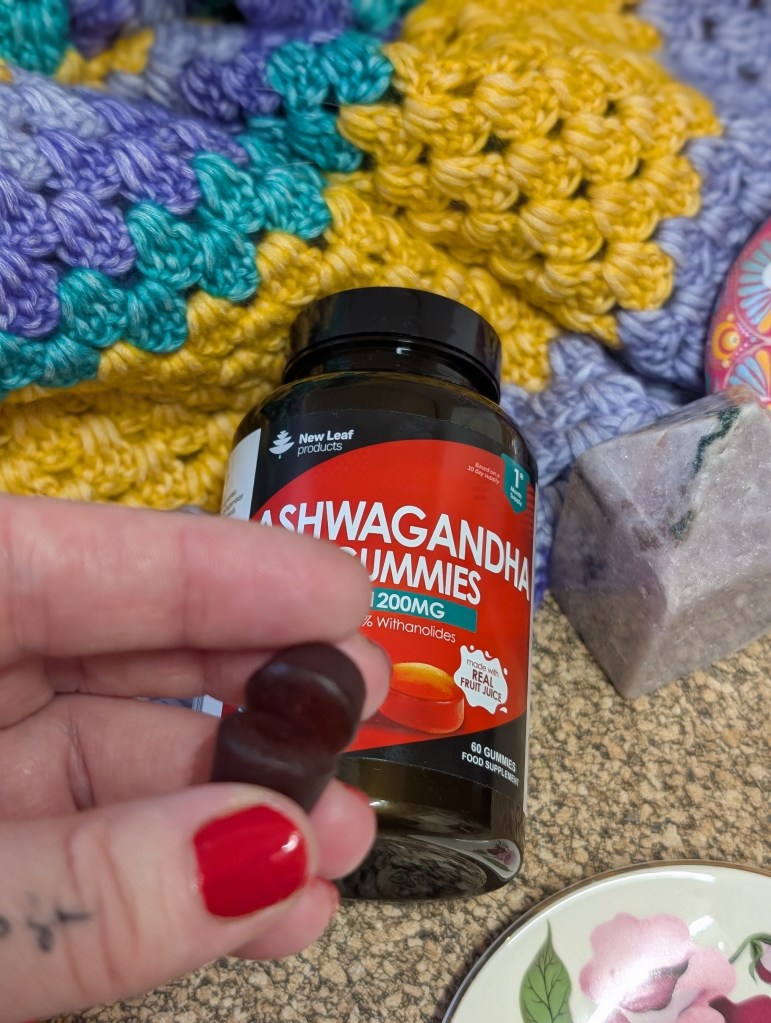
Traditionally, it has been used to:
- Support energy and stamina
- Promote calm and relaxation
- Enhance strength and longevity
Benefits of Ashwagandha for Women
Ashwagandha can be particularly supportive for women through different life stages.
1. Stress & Anxiety Support
Modern life places constant demands on women—caregiving, work, hormonal shifts, mental load. Ashwagandha is well known for supporting the nervous system and helping to lower perceived stress and cortisol levels.
2. Hormonal Balance
Some women find ashwagandha helpful for supporting hormonal balance, especially during perimenopause and menopause, when stress can exacerbate symptoms such as fatigue, mood swings, and sleep disturbances.
3. Better Sleep
By calming the nervous system, ashwagandha may improve sleep quality—particularly helpful for women who struggle with “wired but tired” evenings. Improved rest means better physical and mental recovery, something many overlook.
4. Energy Without Stimulation
Unlike caffeine, ashwagandha supports energy gently by building resilience rather than overstimulating the body.
5. Stress Reduction & Mental Focus
Chronic stress affects mood, motivation, and concentration. Ashwagandha supports calm focus and mental clarity.
6. Physical Performance & Strength
Studies suggest ashwagandha may support muscle strength, endurance, and recovery—making it popular with active people.
7. Testosterone & Fertility Support
Ashwagandha has traditionally been used to support healthy testosterone levels and male fertility, particularly in men affected by stress-related hormonal imbalance.
Who Might Benefit from Taking Ashwagandha?
Ashwagandha may be suitable for:
- People dealing with chronic stress or burnout
- Those experiencing poor sleep
- Individuals feeling mentally overwhelmed or fatigued
- Men and women looking for gentle hormonal and nervous-system support
- People wanting non-stimulant support for energy and resilience
Who Should Not Take Ashwagandha?
Ashwagandha isn’t suitable for everyone. Avoid or seek medical advice if you:
- Are pregnant or breastfeeding
- Have thyroid disorders (it may affect thyroid hormone levels)
- Have autoimmune conditions unless advised by a healthcare professional
- Are about to have surgery (it may interact with anaesthesia)
Always speak with a GP, pharmacist, or qualified practitioner if you are unsure.
Possible Side Effects
Ashwagandha is generally well tolerated, especially at moderate doses, but possible side effects can include:
- Mild stomach upset or nausea
- Drowsiness (especially at higher doses)
- Headache
- Changes in thyroid hormone levels
Starting with a lower dose and building gradually can help minimise side effects. Also obviously stick to the dosage on the bottle as gummies are not sweets you just pop in your mouth when you feel stressed.
A Note on Gummies & Dosage
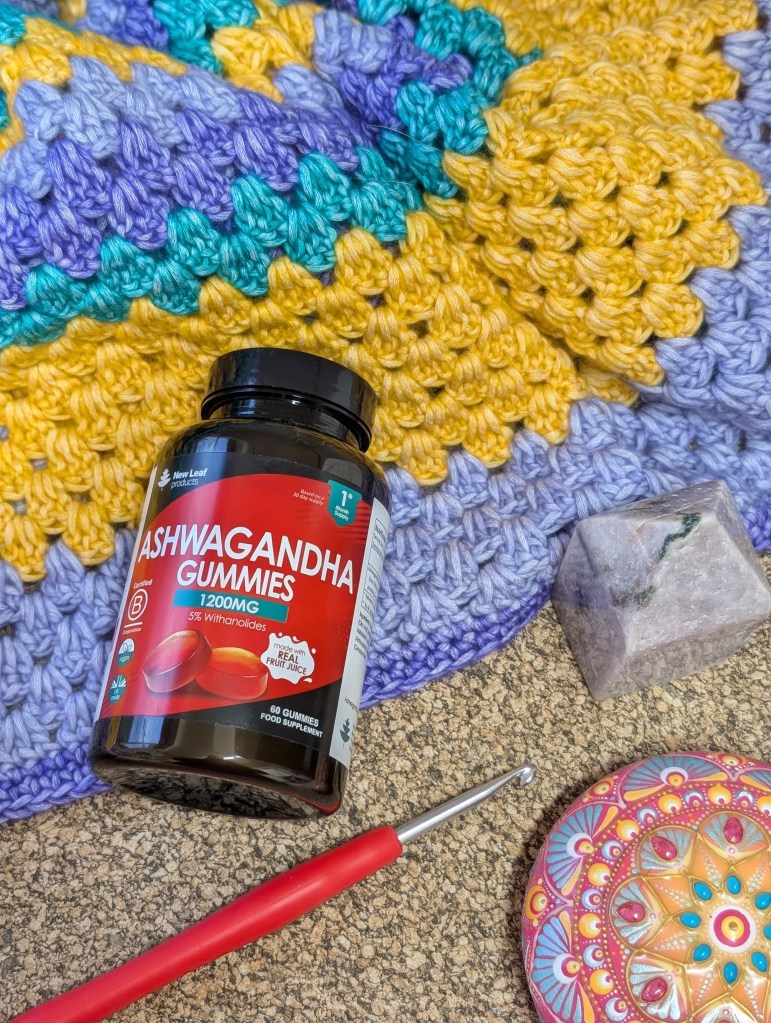
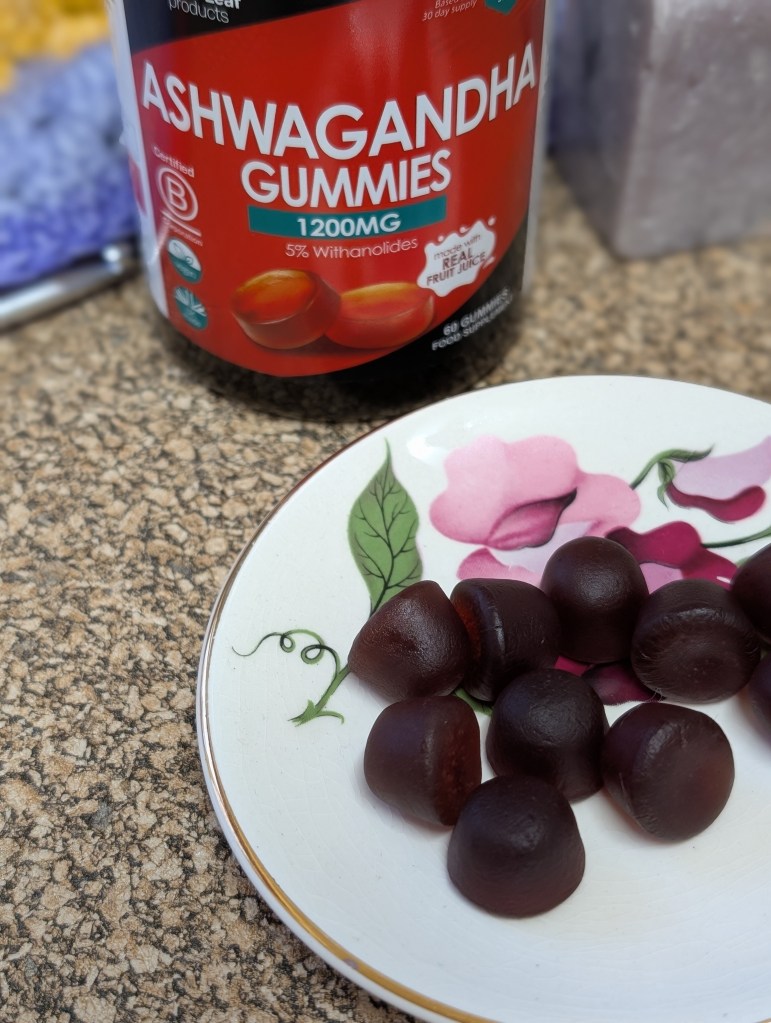
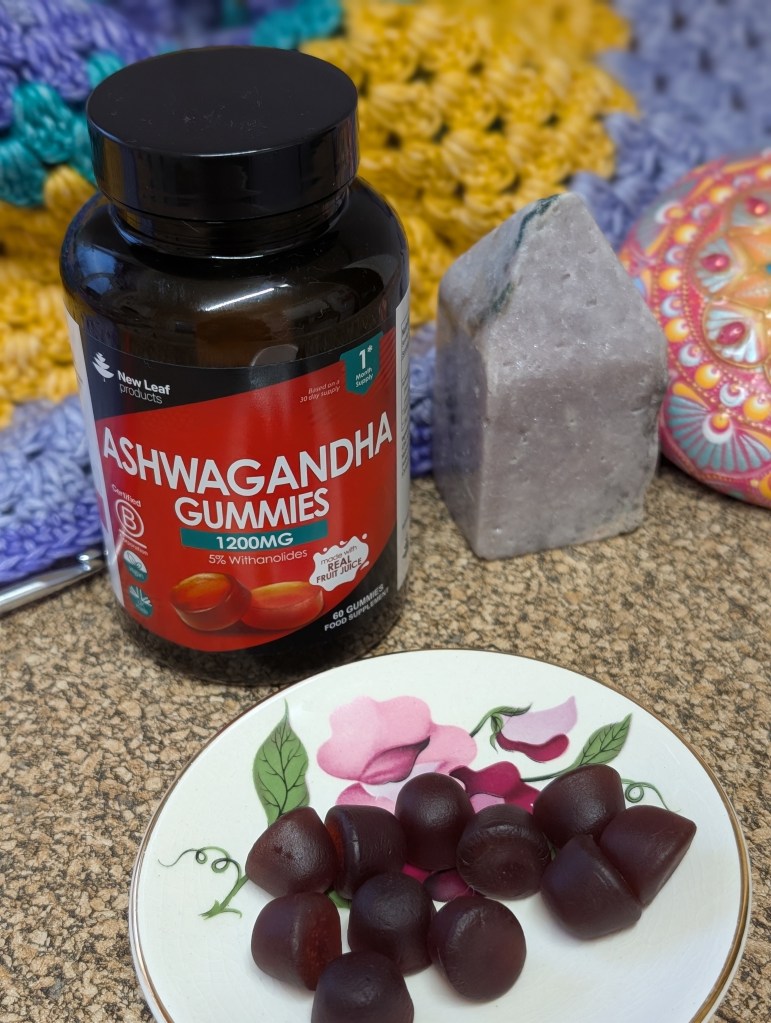
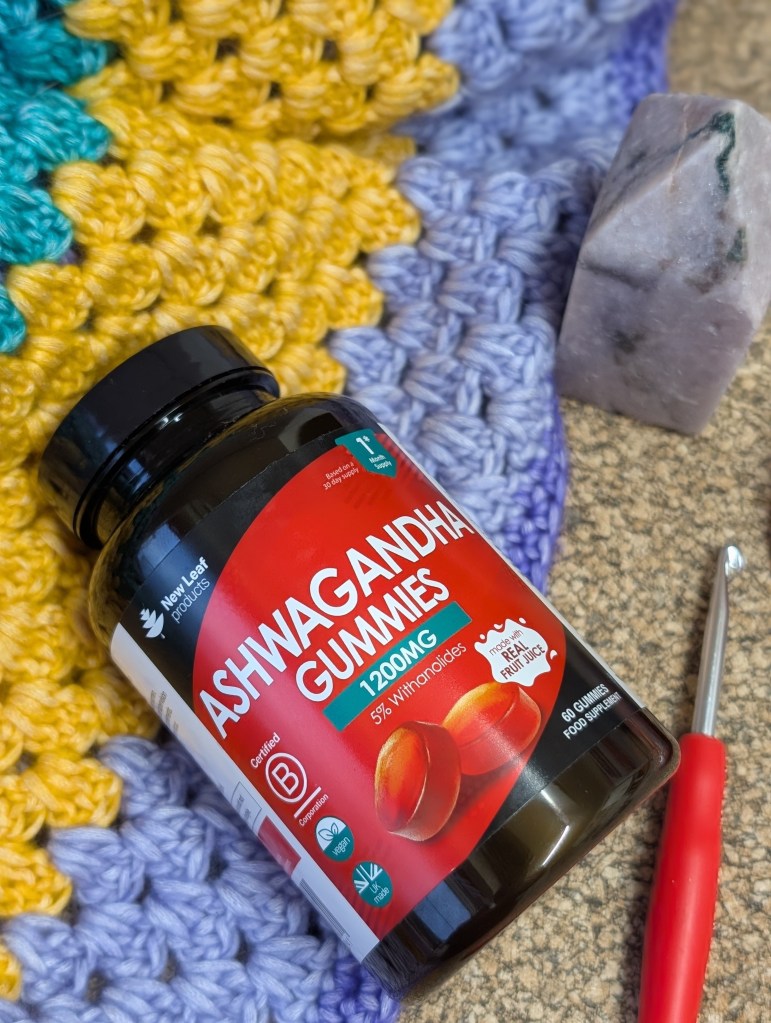
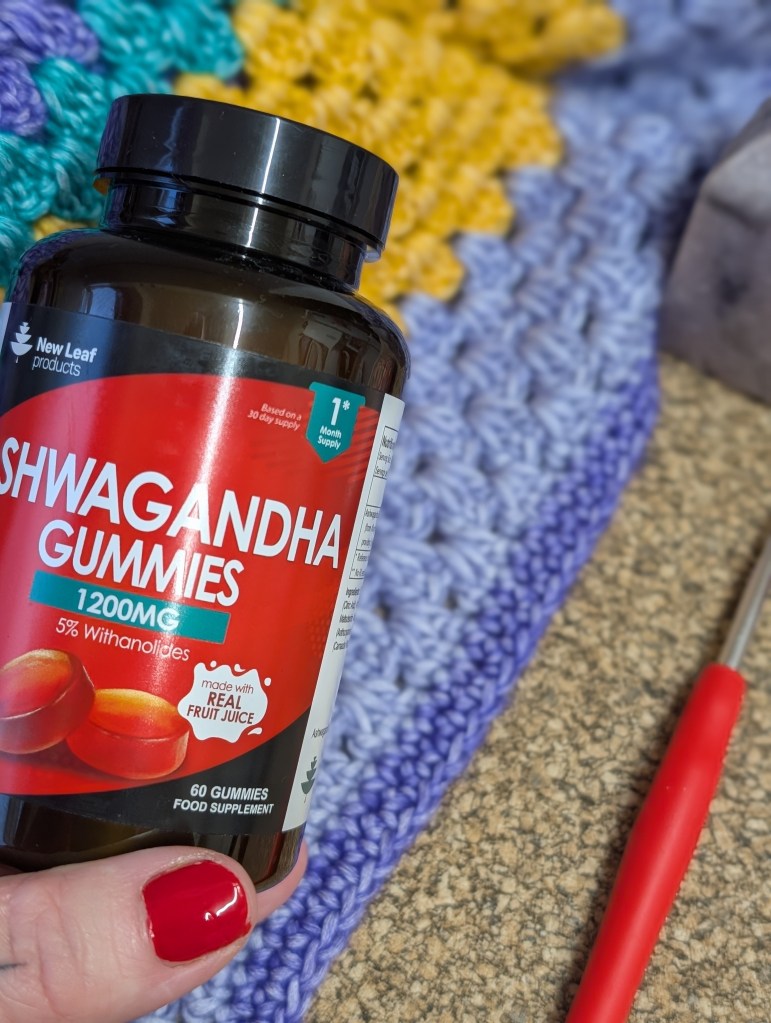
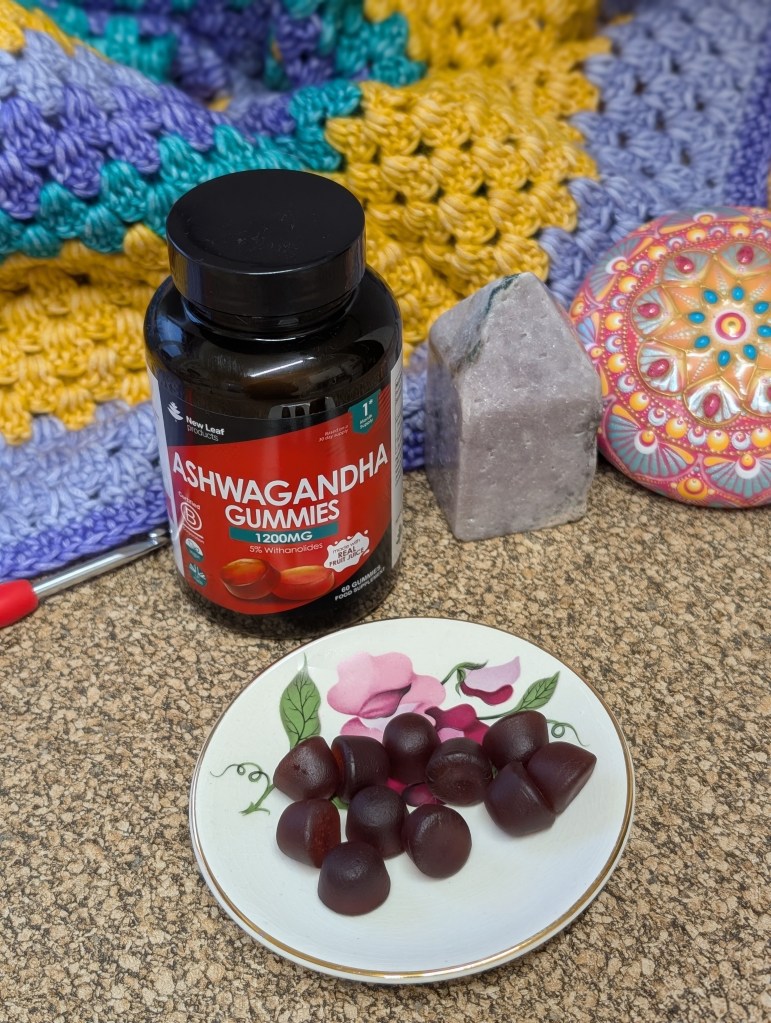
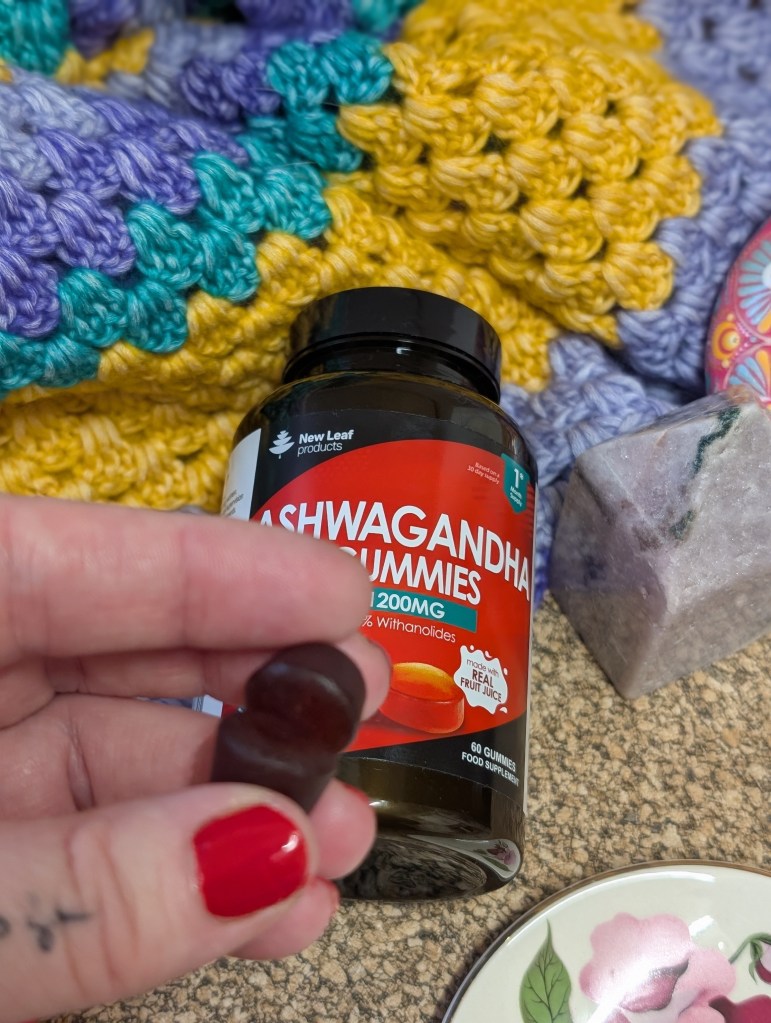
I take *New Leaf Ashwagandha Gummies (1200mg) because:
They offer a strong, clearly stated dose which I know is beneficial and I can tolerate well. If the dosage isn’t stated, I would avoid for safety reasons.
Gummies are gentle, convenient, and easy to remember
As with all supplements, consistency matters more than perfection.
….and lastly
Ashwagandha isn’t a magic cure, but it is a deeply grounding herb that supports balance when it seems life pulls that out of us. For both women and men, it offers calm energy, resilience, and a feeling of being better able to cope with whatever life throws your way.
As always, listen to your body, go gently, and treat supplements as part of a wider picture of rest, nourishment, and self-care, not a replacement for them.
Huge hug as always

*This post contains Amazon affiliate links. I may earn a small commission if you purchase through them, at no extra cost to you.
 Wool Goddess
Leave a comment